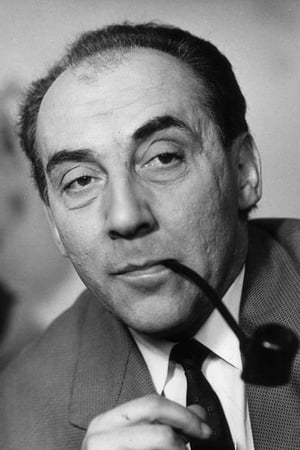
Miloš Kopecký
Born
22 August 1922 (103)
Place of Birth
Prague, Czechoslovakia [now Czech Republic]
Also known as
Milos Kopecký, Milos Kopecky
Biography
Miloš Kopecký was a Czech actor, active mainly in the second half of the 20th century. He was born into the family of craftsmen, Kopecký was involved with music and theater throughout his entire life. Starting on stage in 1939, as a member of an amateur elocution group, Kopecký performed with numerous young artists during the German occupation of then Czechoslovakia. Near the end of World War II, Kopecký’s mother was murdered at the Auschwitz concentration camp for her Jewish heritage, while ...
Miloš Kopecký was a Czech actor, active mainly in the second half of the 20th century. He was born into the family of craftsmen, Kopecký was involved with music and theater throughout his entire life. Starting on stage in 1939, as a member of an amateur elocution group, Kopecký performed with numerous young artists during the German occupation of then Czechoslovakia. Near the end of World War II, Kopecký’s mother was murdered at the Auschwitz concentration camp for her Jewish heritage, while Miloš was interned in the labor camp Bystřice u Benešova. He would later credit these experiences as the cause for his struggle with Bipolar Disorder, then known as Manic-Depressive Disease. Following the liberation, Kopecký began acting in the avant-garde studio Větrník in 1945, before joining the Vinohrady Theatre in 1965 at the behest of then-director František Pavlíček. Kopecký continued to make guest appearances at theaters throughout Prague, working with many notable actors of his era before appearing on film and television. His first minor role was in the historic film Jan Roháč z Dubé (1947), but he quickly graduated to more important characters and gradually became one of the most popular actors in Czechoslovakia. He may be best known today as Dr. Štrosmajer in the Czech television series Nemocnice na kraji města. During his career he played mainly negative roles of traitors, lechers, and villain, which he famously depicted with elegance and esprit. In the mid-1980s Kopecký acted in a politically biased documentary film about emigrants, and also presented very critical speech against current communist régimes in May, 1987, at the Fourth Congress of Dramatic Artists. He was married five times, at one point to Czech actress Stella Zázvorková.
Filmography (40)
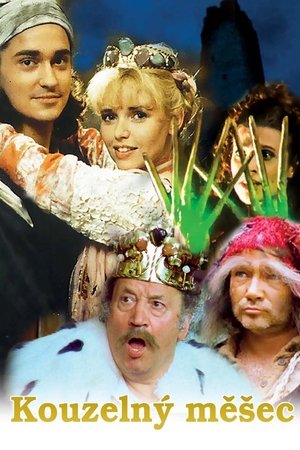
The Magic Book
1996
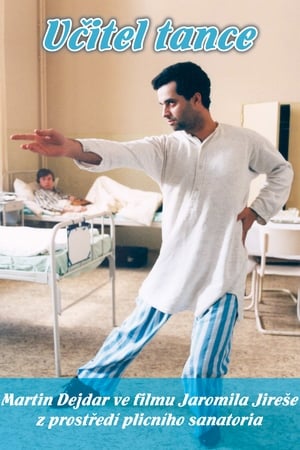
Učitel tance
1995
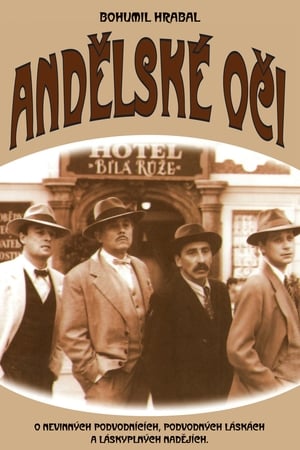
Angelic Eyes
1994
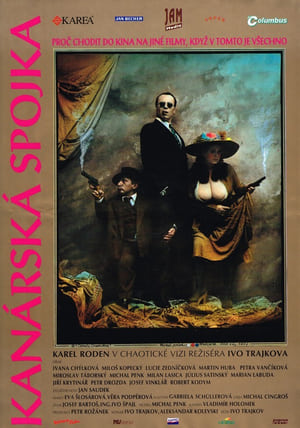
The Canary Connection
1993
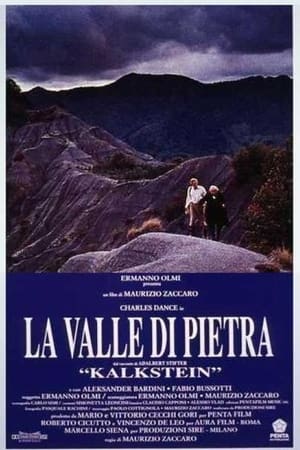
La valle di pietra
1992
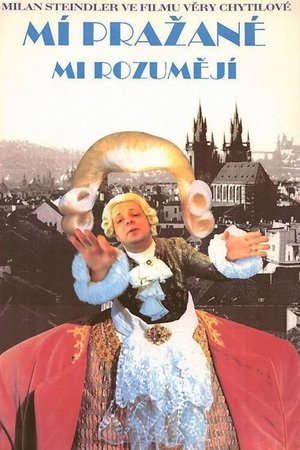
My Pragues Understand Me
1991
Labyrinth
1991
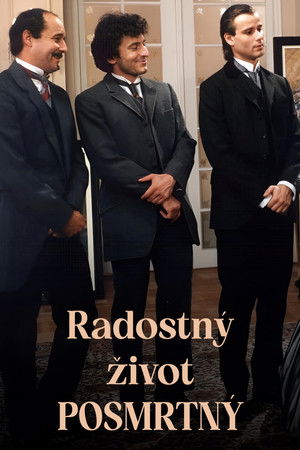
Radostný život posmrtný
1990
Devět kapitol ze starého dějepisu
1990

Utopím si ho sám
1989
Dokonalý muž, dokonalá žena aneb Návštěva mladé dámy
1989
Co medvědi nevědí
1989
Mistr Kornelius
1988
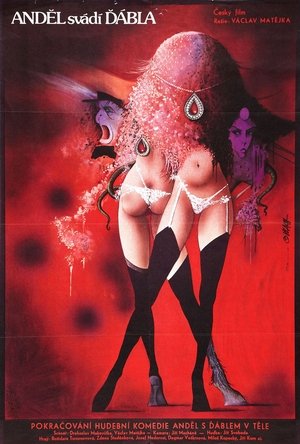
An Angel Seduces the Devil
1988
Mistr Pleticha a pastýř Jehňátko
1988
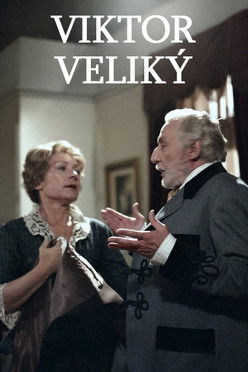
Viktor Veliký
1988
Stařeček vavříny vídeňské slávy ověnčený aneb Zpronevěra
1988
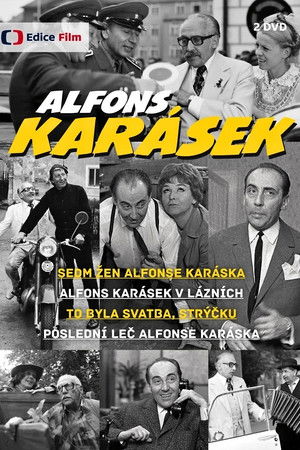
Poslední leč Alfonse Karáska
1987
To se ti povedlo, tatínku!
1987
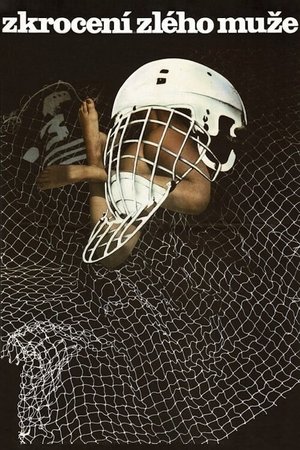
Fair Play
1987
O nejchytřejší princezně
1987
Prstýnek bez kamínku
1987
Španělská paradentóza
1987
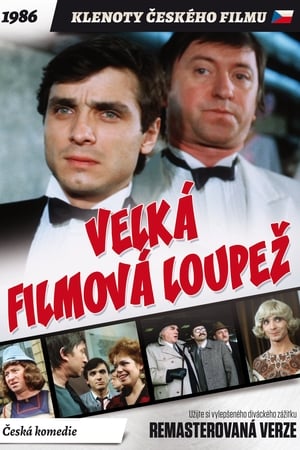
The Great Movie Robbery
1987
Klobouk, měšec a láska
1986
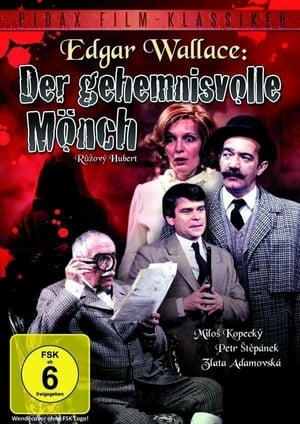
Růžový Hubert
1986
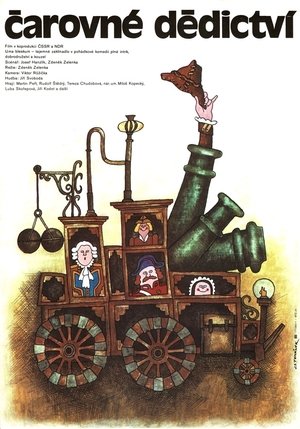
Eine zauberhafte Erbschaft
1986
Sny kominíka Sazivce
1986
Písničky Na zábradlí
1986
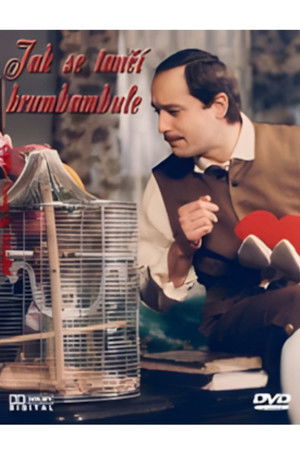
Jak se tančí brumbambule
1985
Když vy jste taková jiná...
1985
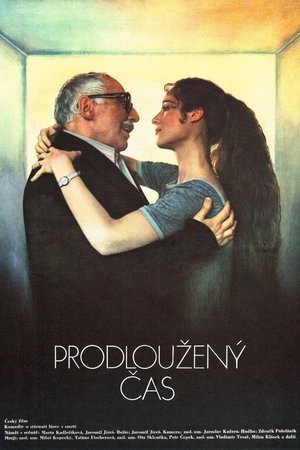
Extended Time
1985
Prague – The Restless Heart of Europe
1985
Barrandovské nokturno aneb Jak film tančil a zpíval
1985
Medvěd
1985
The Secret of an Old Attic
1984
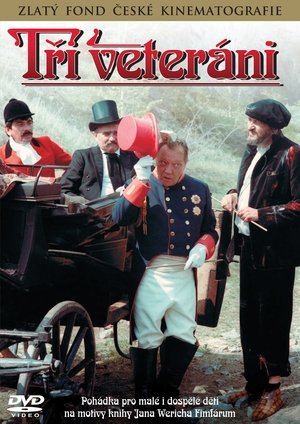
The Three Veterans
1984
Zbohom, sladké driemoty
1984
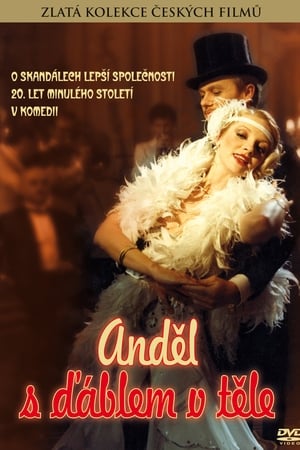
Angel in a Devil's Body
1984
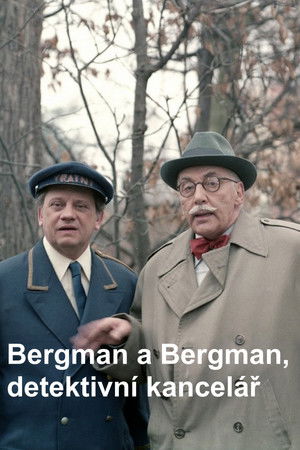
Bergman a Bergman, detektivní kancelář
1984