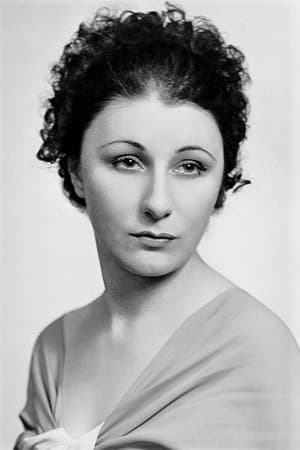
Judith Anderson
Born
10 February 1897 (129)
Place of Birth
Adelaide, South Australia, Australia
Also known as
Frances Margaret Anderson, Dame Judith Anderson
Biography
Dame Frances Margaret Anderson, AC, DBE (February 10, 1897 – January 3, 1992), known professionally as Judith Anderson, was an Australian actress who had a successful career in stage, film and television. Considered one of the greatest classical stage actors of the 20th century, she has two Emmy Awards and a Tony Award to her name, as well as a nomination for a Grammy Award and an Academy Award each. She began her acting career in Australia but her ambition brought her to New York in 1918. She ...
Dame Frances Margaret Anderson, AC, DBE (February 10, 1897 – January 3, 1992), known professionally as Judith Anderson, was an Australian actress who had a successful career in stage, film and television. Considered one of the greatest classical stage actors of the 20th century, she has two Emmy Awards and a Tony Award to her name, as well as a nomination for a Grammy Award and an Academy Award each. She began her acting career in Australia but her ambition brought her to New York in 1918. She established herself as one of the greatest theatrical actresses and was a major star on Broadway throughout the 1930s, 1940s and 1950s. Her notable stage works included the role of Lady Macbeth, which she played first in the 1920s, and gave an Emmy Award-winning television performance in Macbeth (1960). Anderson's long association with Euripides's "Medea" began with her acclaimed Tony Award-winning 1948 stage performance in the title role. She appeared in the television version of Medea (1983) in the supporting character of the Nurse. Anderson made her Hollywood film debut under director Rowland Brown in a supporting role in Blood Money (1933). Her striking, not conventionally attractive features were complemented with her powerful presence, mastery of timing and an effortless style. Anderson made a film career as a supporting character actress in several significant films including Alfred Hitchcock's Rebecca (1940), for which she was Oscar nominated for Best Supporting Actress. She worked with director Otto Preminger in Laura (1944), then with René Clair in And Then There Were None (1945). Her remarkable performance in a supporting role in Cat on a Hot Tin Roof (1958) fit in a stellar acting ensemble under director Richard Brooks. Anderson was awarded Dame Commander of the Order of the British Empire in the 1960 Queen's New Year's Honours List for her services to the performing arts. Living in Santa Barbara in her later years, she also had a successful stint on the soap opera Santa Barbara (1984) and was nominated for a Daytime Emmy Award in 1984. In the same year, at age 87, she appeared in Star Trek III: The Search for Spock (1984) as the High Priestess, and was nominated for a Saturn Award for that role. She was awarded Companion of the Order of Australia in the 1991 Queen's Birthday Honours List for her services to the performing arts. Anderson died at age 94 of pneumonia on January 3, 1992 in Santa Barbara, California.
Filmography (40)

Scotty and the Secret History of Hollywood
2018
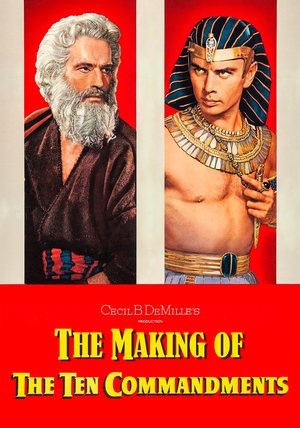
The Making of The Ten Commandments
2003
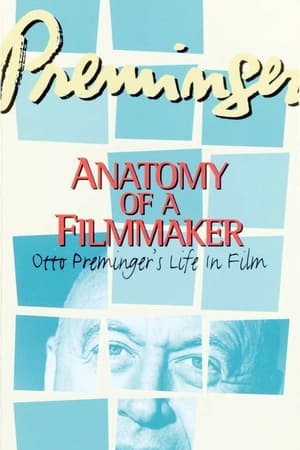
Preminger: Anatomy of a Filmmaker
1991
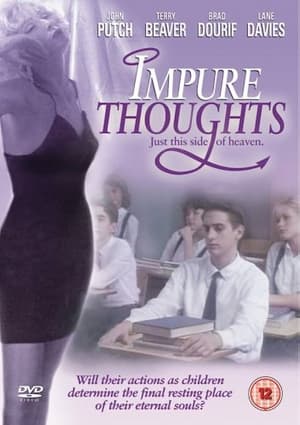
Impure Thoughts
1986

Star Trek III: The Search for Spock
1984
Medea
1983
Inn of the Damned
1975

The Underground Man
1974
The Borrowers
1973
A Man Called Horse
1970
The File on Devlin
1969
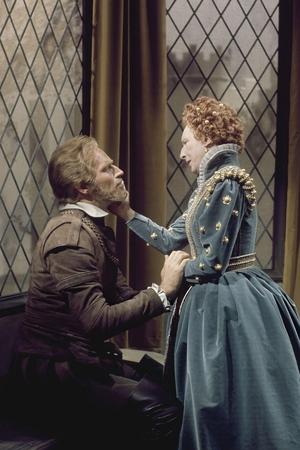
Elizabeth the Queen
1968
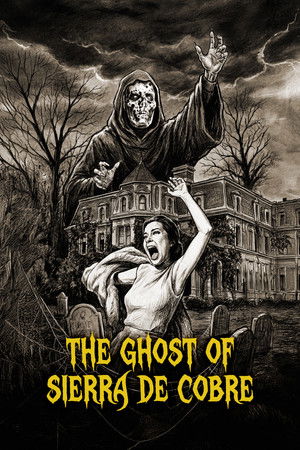
The Ghost of Sierra de Cobre
1964
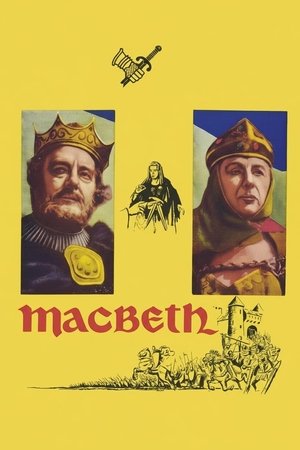
Macbeth
1964
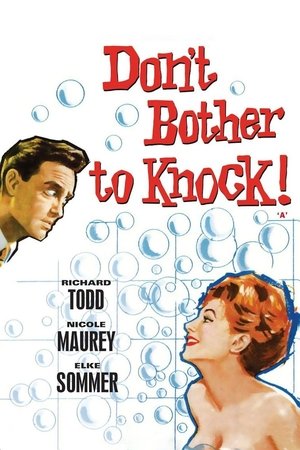
Don't Bother to Knock
1961
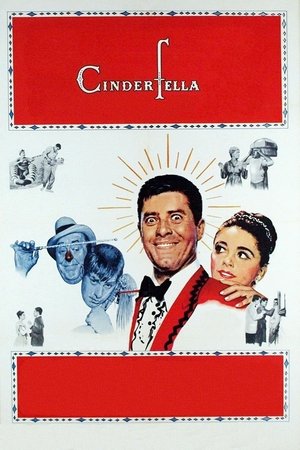
Cinderfella
1960
A Christmas Festival
1959
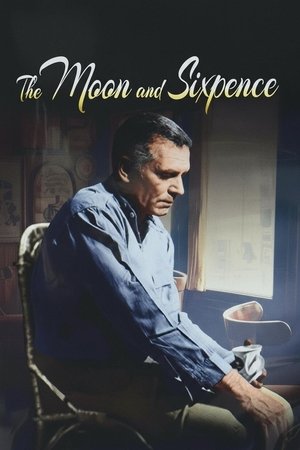
The Moon and Sixpence
1959
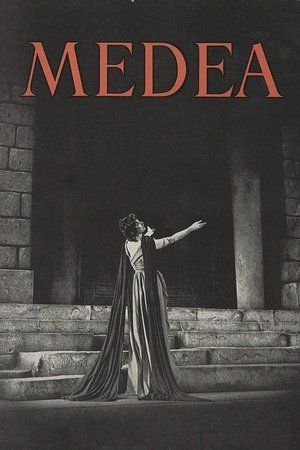
Medea
1959

Cat on a Hot Tin Roof
1958

The Ten Commandments
1956
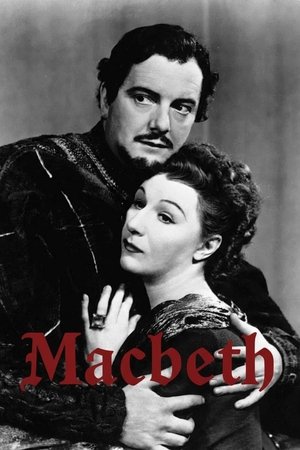
Macbeth
1954
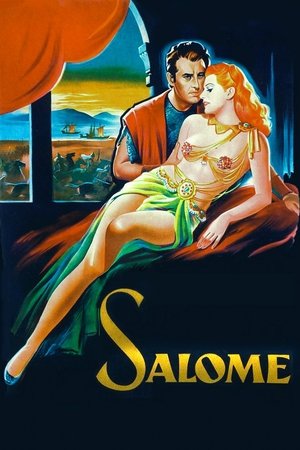
Salome
1953
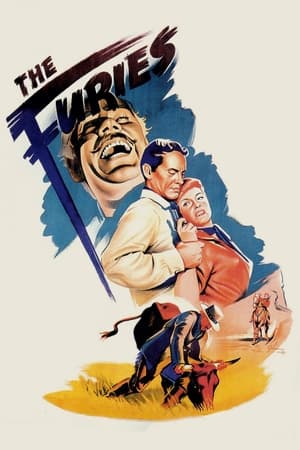
The Furies
1950
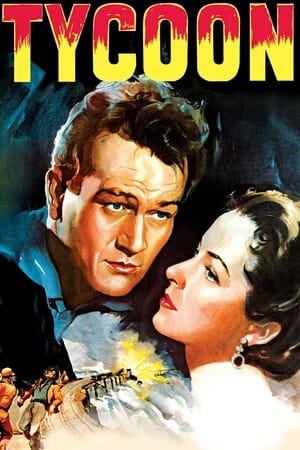
Tycoon
1947
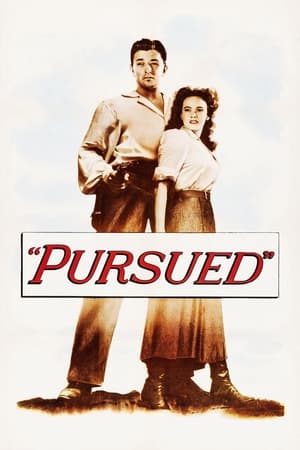
Pursued
1947
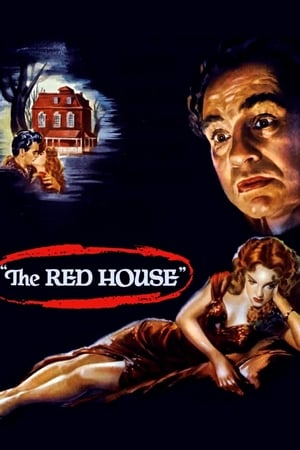
The Red House
1947
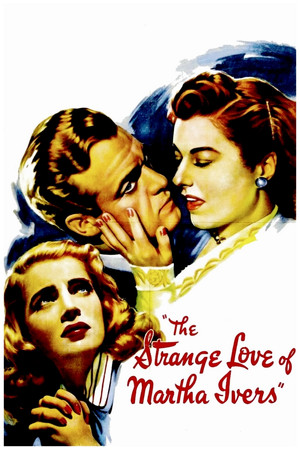
The Strange Love of Martha Ivers
1946
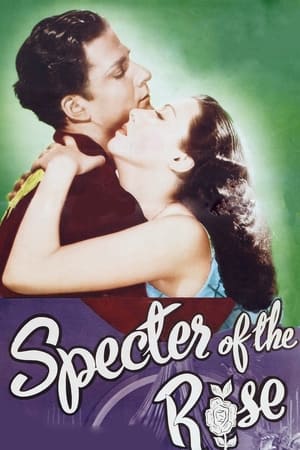
Specter of the Rose
1946
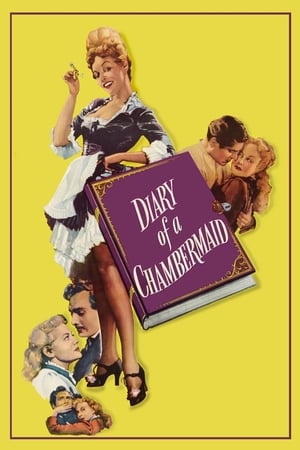
The Diary of a Chambermaid
1946
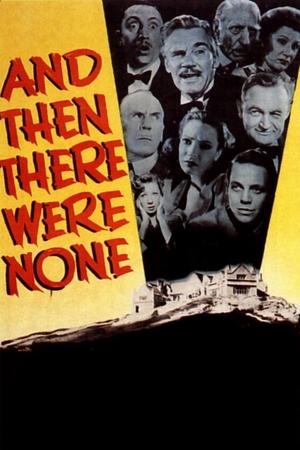
And Then There Were None
1945

Laura
1944
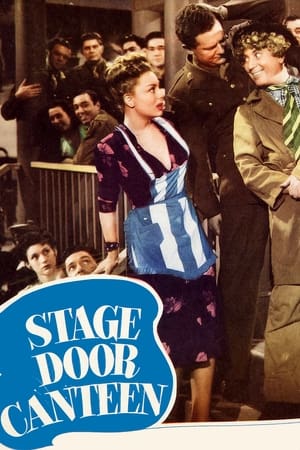
Stage Door Canteen
1943

Edge of Darkness
1943
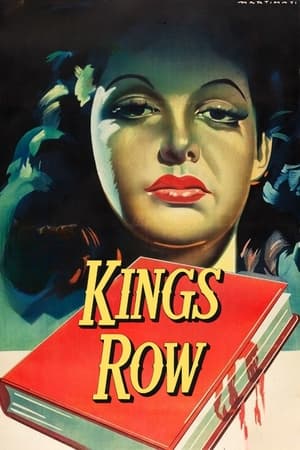
Kings Row
1942
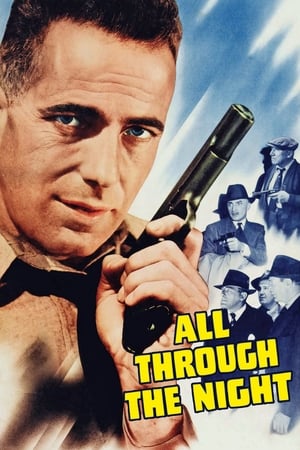
All Through the Night
1942
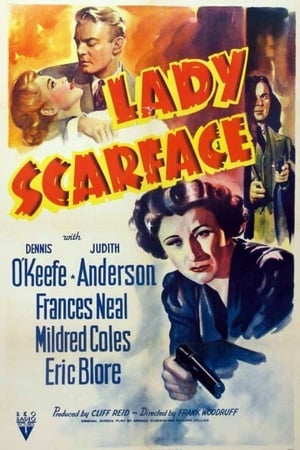
Lady Scarface
1941
Free and Easy
1941
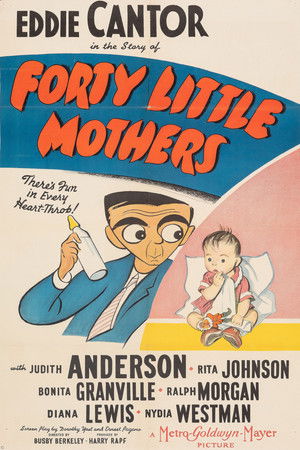
Forty Little Mothers
1940
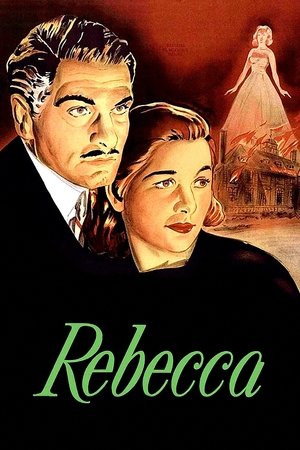
Rebecca
1940