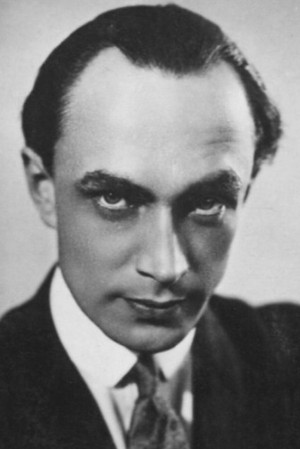
Conrad Veidt
Born
22 January 1893 (133)
Place of Birth
Berlin, Germany
Also known as
Hans Walter Conrad Veidt
Biography
Hans Walter Conrad Veidt (22 January 1893 – 3 April 1943) was a German actor best remembered for his roles in films such as Different from the Others (1919), The Cabinet of Dr. Caligari (1920), and The Man Who Laughs (1928). After a successful career in German silent film, where he was one of the best-paid stars of Ufa, he was forced to leave Germany in 1933 with his new Jewish wife after the Nazis came to power. They settled in Britain, where he participated in a number of films, including The ...
Hans Walter Conrad Veidt (22 January 1893 – 3 April 1943) was a German actor best remembered for his roles in films such as Different from the Others (1919), The Cabinet of Dr. Caligari (1920), and The Man Who Laughs (1928). After a successful career in German silent film, where he was one of the best-paid stars of Ufa, he was forced to leave Germany in 1933 with his new Jewish wife after the Nazis came to power. They settled in Britain, where he participated in a number of films, including The Thief of Bagdad (1940), before emigrating to the United States around 1941, which lead to him having a supporting role in Casablanca (1942). From 1916 until his death, Veidt appeared in more than 100 films. One of his earliest performances was as the murderous somnambulist Cesare in director Robert Wiene's The Cabinet of Dr. Caligari (1920), a classic of German Expressionist cinema, with Werner Krauss and Lil Dagover. His starring role in The Man Who Laughs (1928), as a disfigured circus performer whose face is cut into a permanent grin, provided the (visual) inspiration for the Batman villain the Joker, created in 1940 by Bill Finger. Veidt also starred in other silent horror films such as The Hands of Orlac (1924), another film directed by Robert Wiene, The Student of Prague (1926) and Waxworks (1924) where he played Ivan the Terrible. Veidt also appeared in Magnus Hirschfeld's film Anders als die Andern (Different from the Others, 1919), one of the first films to sympathetically portray homosexuality, although the characters in it do not end up happily. He had a leading role in Germany's first talking picture, Das Land ohne Frauen (Land Without Women, 1929). He moved to Hollywood in the late 1920s and made a few films, but the advent of talking pictures and his difficulty with speaking English led him to return to Germany. During this period he lent his expertise to tutoring aspiring performers, one of whom was the later American character actress Lisa Golm.
Filmography (40)
Visual Effects: The Thief of Bagdad
2008
The Many Faces of Dracula
2000
Universal Horror
1998
The Horror Hall of Fame: A Monster Salute
1974
Above Suspicion
1943
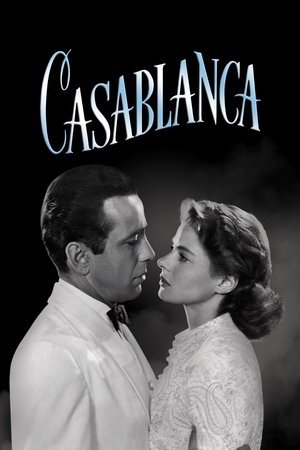
Casablanca
1943
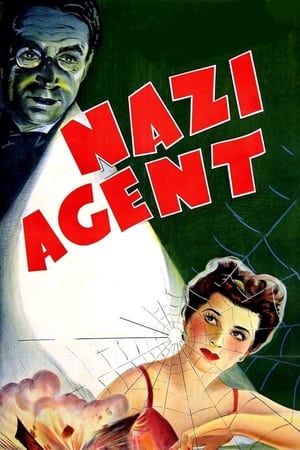
Nazi Agent
1942
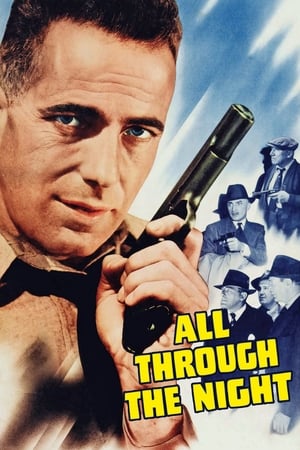
All Through the Night
1942

The Men in Her Life
1941
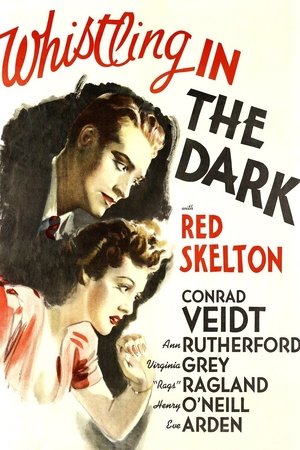
Whistling in the Dark
1941

A Woman's Face
1941
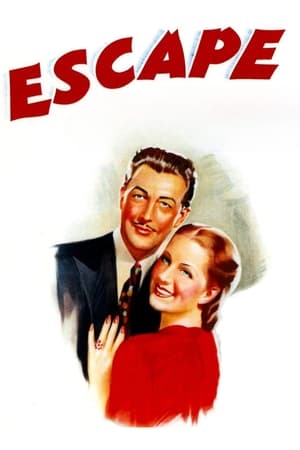
Escape
1940
A New Romance of Celluloid: The Miracle of Sound
1940
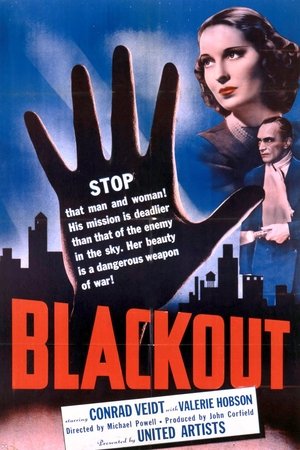
Contraband
1940

The Thief of Bagdad
1940
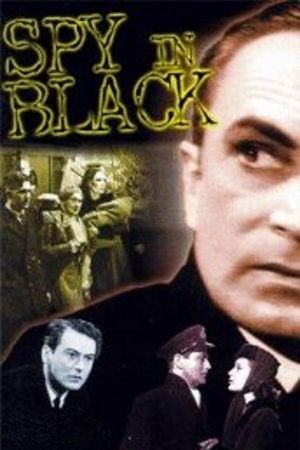
The Spy in Black
1939
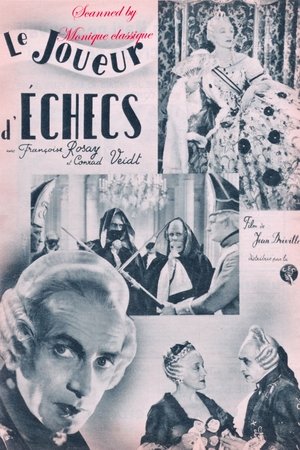
The Chess Player
1938

Tempête sur l'Asie
1938
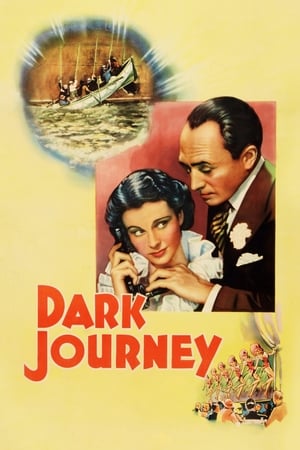
Dark Journey
1937
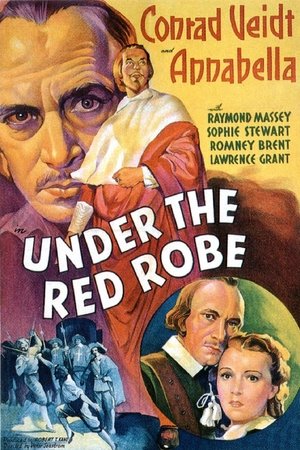
Under the Red Robe
1937
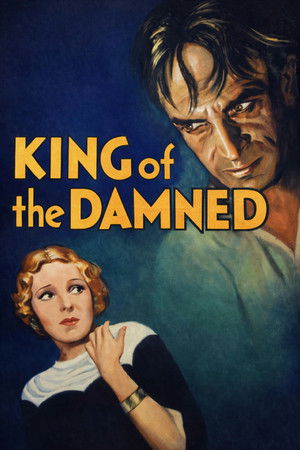
King of the Damned
1935
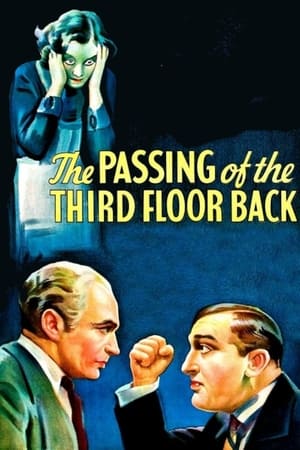
The Passing of the Third Floor Back
1935

Bella Donna
1934

Jew Süss
1934
Wilhelm Tell
1934
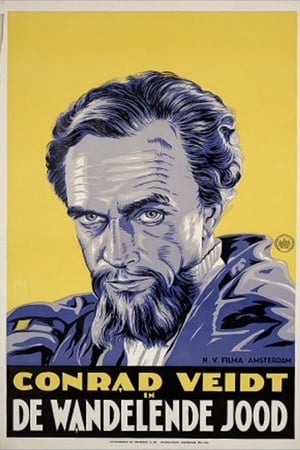
The Wandering Jew
1933
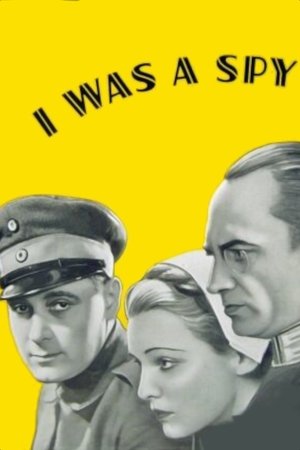
I Was a Spy
1933

F.P.1
1933
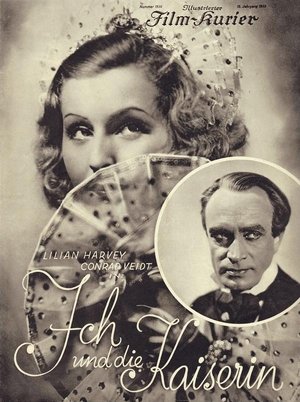
The Only Girl
1933
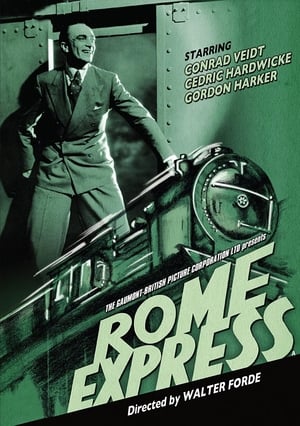
Rome Express
1932
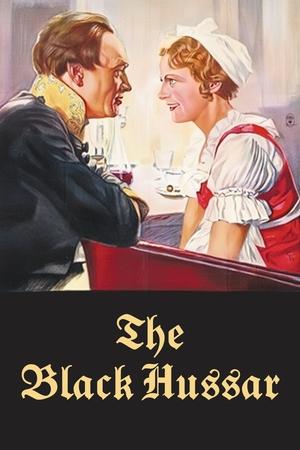
The Black Hussar
1932
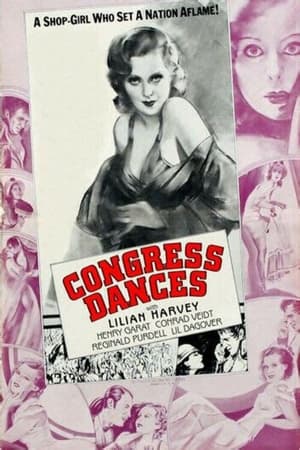
The Congress Dances
1932
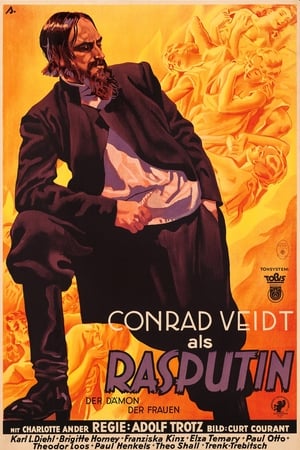
Rasputin, Demon of the Women
1932
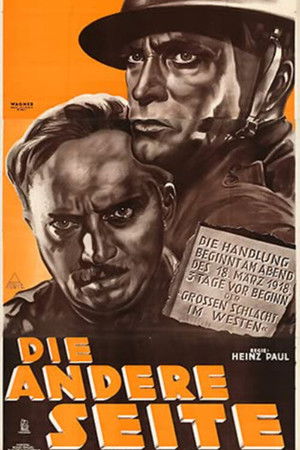
The Other Side
1931
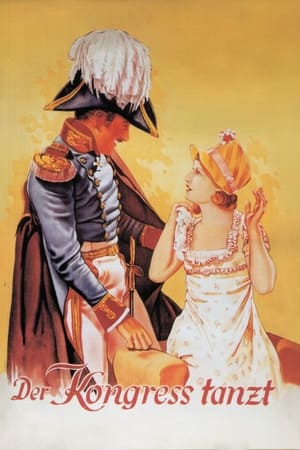
The Congress Dances
1931

The Night of the Decision
1931
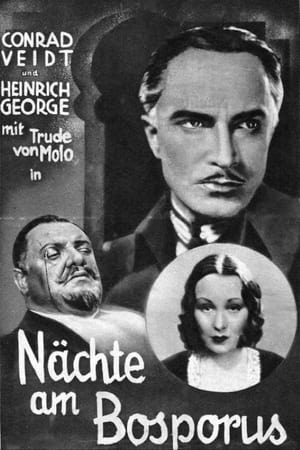
The Man Who Committed the Murder
1931
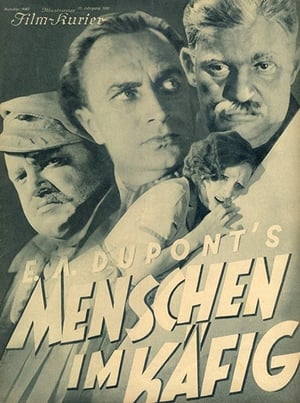
The Love Storm
1930
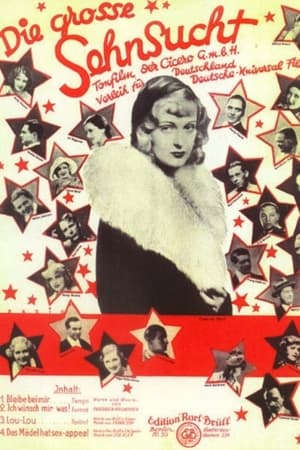
The Great Passion
1930
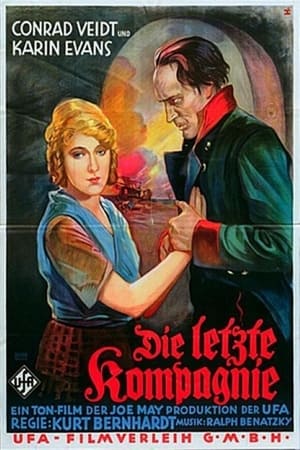
The Last Company
1930