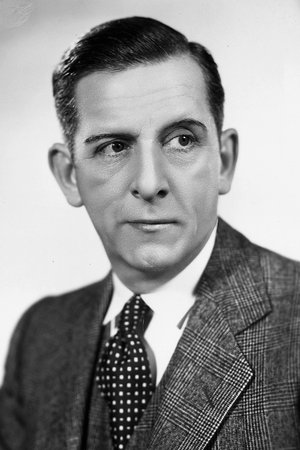
Edward Everett Horton
Born
17 March 1886 (140)
Place of Birth
Brooklyn, New York City, New York, USA
Also known as
E.E. Horton, Edward Horton
Biography
From Wikipedia, the free encyclopedia Edward Everett Horton Jr. (March 18, 1886 – September 29, 1970) was an American character actor. He had a long career in film, theater, radio, television, and voice work for animated cartoons. Horton began his stage career in 1906, singing and dancing and playing small parts in vaudeville and in Broadway productions. In 1919, he moved to Los Angeles, California, where he began acting in Hollywood films. His first starring role was in the comedy Too Much Bu...
From Wikipedia, the free encyclopedia Edward Everett Horton Jr. (March 18, 1886 – September 29, 1970) was an American character actor. He had a long career in film, theater, radio, television, and voice work for animated cartoons. Horton began his stage career in 1906, singing and dancing and playing small parts in vaudeville and in Broadway productions. In 1919, he moved to Los Angeles, California, where he began acting in Hollywood films. His first starring role was in the comedy Too Much Business (1922), but he portrayed the lead role of an idealistic young classical composer in the drama Beggar on Horseback (1925). In the late 1920s, he starred in two-reel silent comedies for Educational Pictures, and made the transition to talking pictures with Educational in 1929. As a stage-trained performer, he found more film work easily, and appeared in some of Warner Bros.' early talkies, including The Terror (1928) and Sonny Boy (1929). Horton initially used his given name, Edward Horton, professionally. His father persuaded him to adopt his full name professionally, reasoning that other actors might be named Edward Horton, but only one named Edward Everett Horton. Horton soon cultivated his own special variation of the time-honored double take (an actor's reaction to something, followed by a delayed, more extreme reaction). In Horton's version, he would smile ingratiatingly and nod in agreement with what just happened; then, when realization set in, his facial features collapsed entirely into a sober, troubled mask. Horton starred in many comedy features in the 1930s, usually playing a mousy fellow who put up with domestic or professional problems to a certain point, and then finally asserted himself for a happy ending. He is best known, however, for his work as a character actor in supporting roles. These include The Front Page (1931), Trouble in Paradise (1932), Alice in Wonderland (1933), The Gay Divorcee (1934, the first of several Astaire/Rogers films in which Horton appeared), Top Hat (1935), Danger - Love at Work (1937), Lost Horizon (1937), Holiday (1938), Here Comes Mr. Jordan (1941), Arsenic and Old Lace (1944), Pocketful of Miracles (1961), It's a Mad, Mad, Mad, Mad World (1963), and Sex and the Single Girl (1964). His last role was in the comedy film Cold Turkey (1971), in which his character communicated only through facial expressions.
Filmography (40)
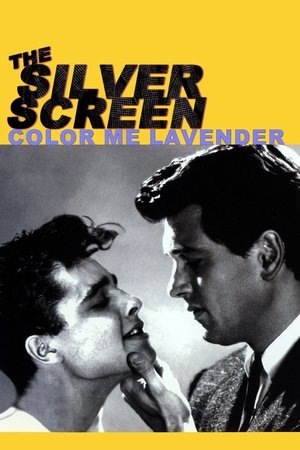
The Silver Screen: Color Me Lavender
1997
Bob Hope's World of Comedy
1976
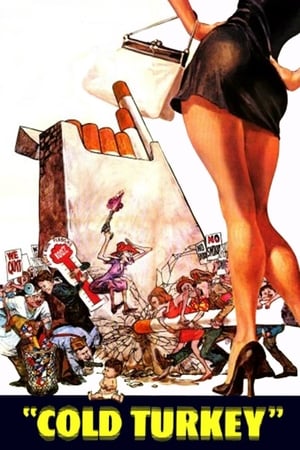
Cold Turkey
1971

2000 Years Later
1969
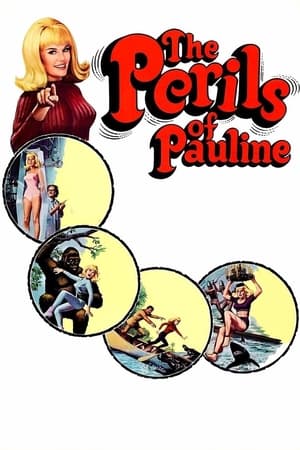
The Perils of Pauline
1967
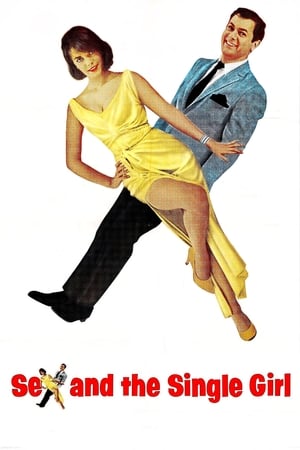
Sex and the Single Girl
1964
The Emperor's Oblong Pancake
1964
One Got Fat
1963

It's a Mad, Mad, Mad, Mad World
1963
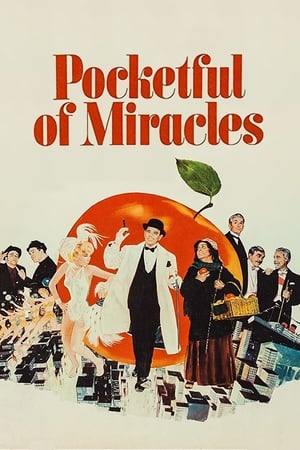
Pocketful of Miracles
1961
The Wonderful World of Trains
1960
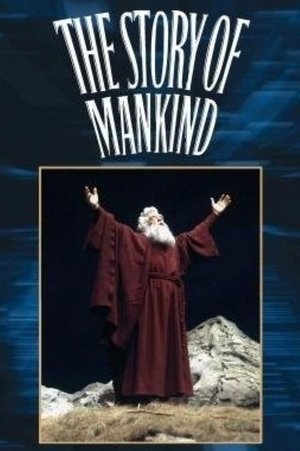
The Story of Mankind
1957

Three Men on a Horse
1957
Saturday Spectacular: Manhattan Tower
1956
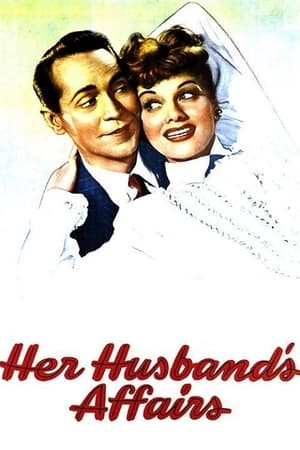
Her Husband's Affairs
1947

Down to Earth
1947
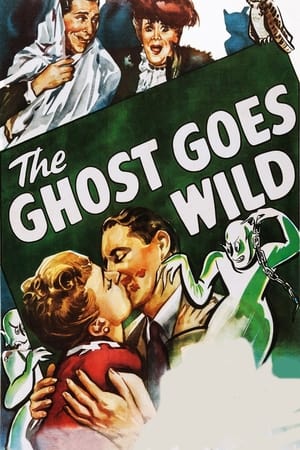
The Ghost Goes Wild
1947
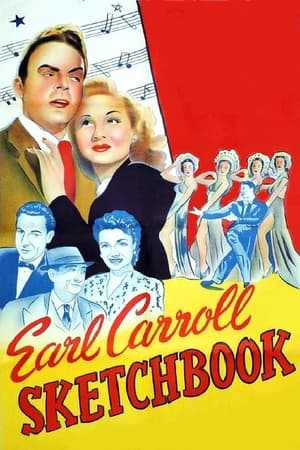
Earl Carroll Sketchbook
1946
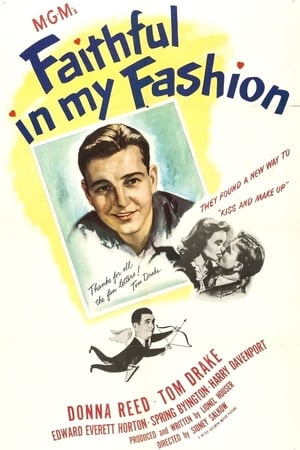
Faithful in My Fashion
1946
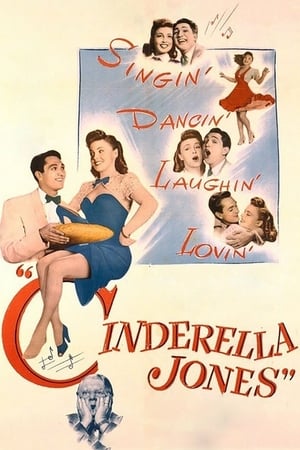
Cinderella Jones
1946
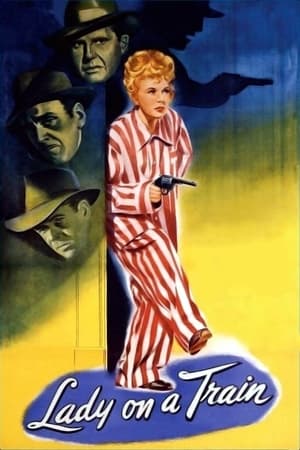
Lady on a Train
1945
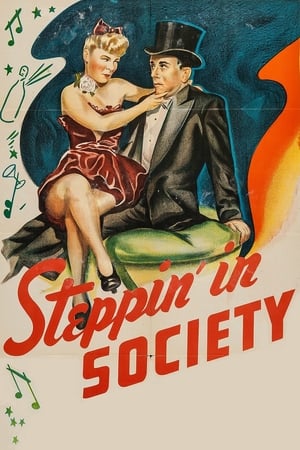
Steppin' in Society
1945
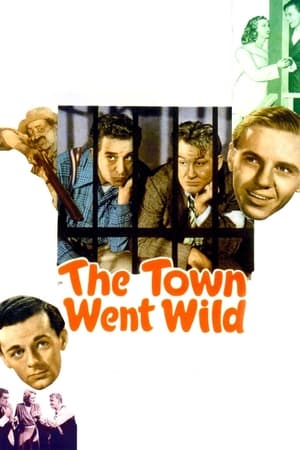
The Town Went Wild
1944
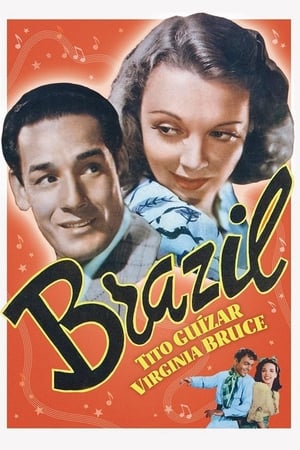
Brazil
1944
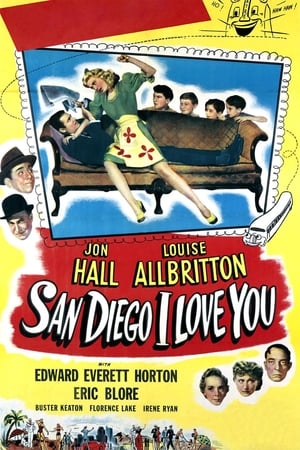
San Diego I Love You
1944
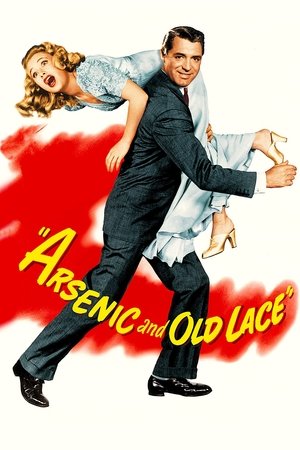
Arsenic and Old Lace
1944
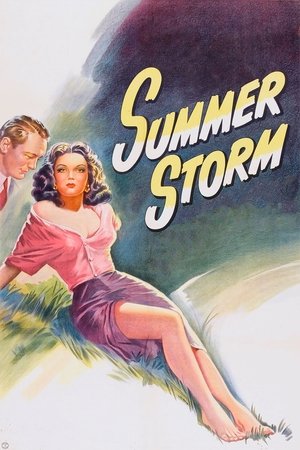
Summer Storm
1944
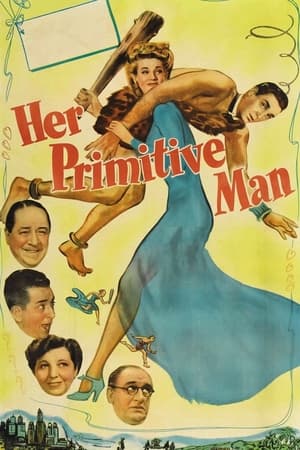
Her Primitive Man
1944
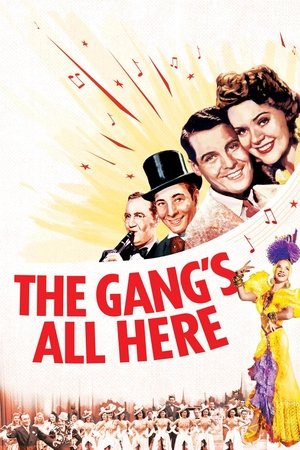
The Gang's All Here
1943
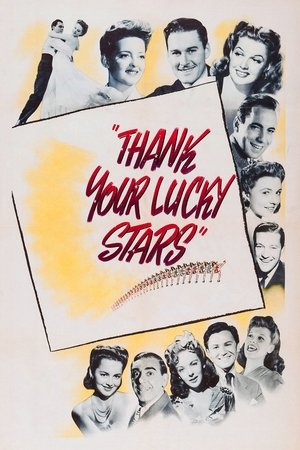
Thank Your Lucky Stars
1943
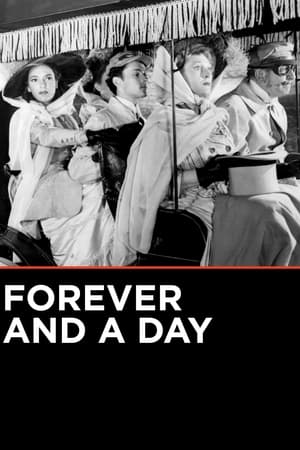
Forever and a Day
1943
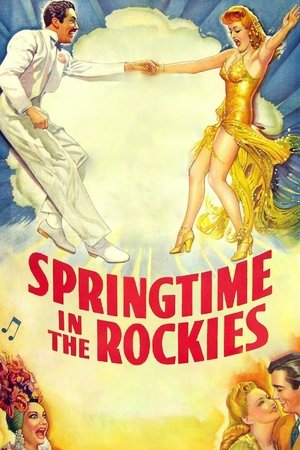
Springtime in the Rockies
1942
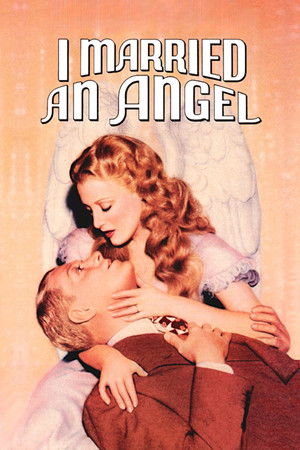
I Married an Angel
1942
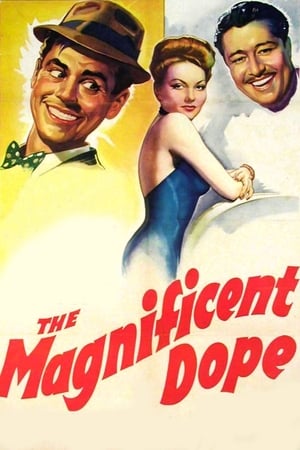
The Magnificent Dope
1942
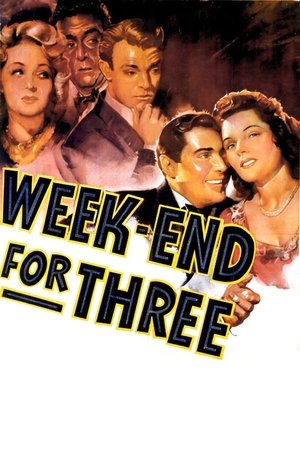
Weekend for Three
1941
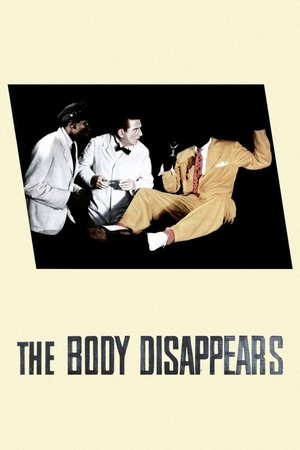
The Body Disappears
1941
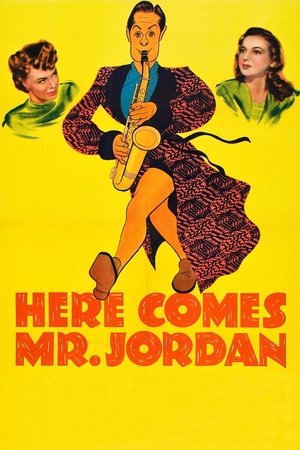
Here Comes Mr. Jordan
1941
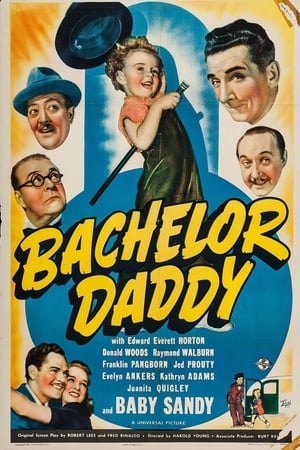
Bachelor Daddy
1941
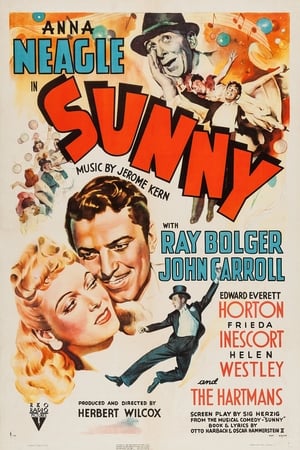
Sunny
1941
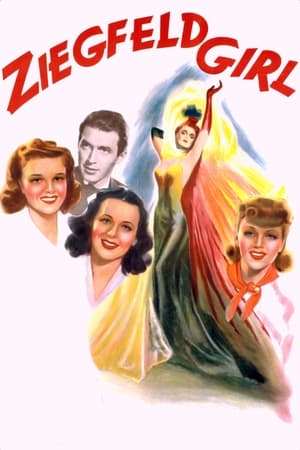
Ziegfeld Girl
1941