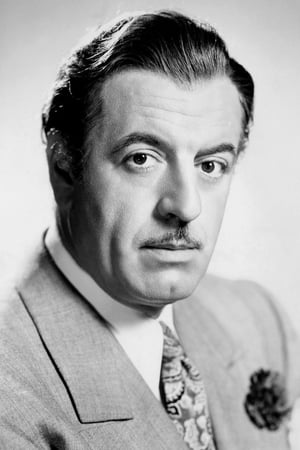
Fortunio Bonanova
Born
13 January 1895 (131)
Place of Birth
Palma de Mallorca, Mallorca, Balearic Islands, Spain
Also known as
Josep Lluís Moll
Biography
Fortunio Bonanova, pseudonym of Josep Lluís Moll, (13 January 1895 – 2 April 1969) was a Spanish baritone singer and a film, theater, and television actor. He occasionally worked as a producer and director. According to Lluis Fàbregas Cuixart, the pseudonym Fortunio Bonanova referred to his desire to seek fortune, and his love of the Bonanova neighborhood in his native Palma. As a young man, living under his birthname, he was a professional telegraph operator. He studied music with the Italian...
Fortunio Bonanova, pseudonym of Josep Lluís Moll, (13 January 1895 – 2 April 1969) was a Spanish baritone singer and a film, theater, and television actor. He occasionally worked as a producer and director. According to Lluis Fàbregas Cuixart, the pseudonym Fortunio Bonanova referred to his desire to seek fortune, and his love of the Bonanova neighborhood in his native Palma. As a young man, living under his birthname, he was a professional telegraph operator. He studied music with the Italian Giovachini. In 1921, he debuted as a singer in Tannhäuser, at the Teatre Principal in Palma. That year, along with a group of Majorcan intellectuals and Jorge Luis Borges (who was briefly living in Majorca with his parents and sister), he signed the Ultraist Manifesto, using the name Fortunio Bonanova. Also in 1921, he appeared in a silent film of Don Juan Tenorio by the brothers Baños, which was shown the following year in New York City and Hollywood. He later directed his own Don Juan in 1924. In 1927, he acted in Love of Sunya, directed by Albert Parker and starring Gloria Swanson. In 1932 he had small parts in Hollywood productions featuring Joan Bennett and Mary Astor. In the same period, he appeared in New York in several operas as well as the zarzuelas La Canción del Olvido ("The song of forgetting"), La Duquesa del Tabarín ("The Duchess of Tabarín"), Los Gavilanes, and La Montería. In 1934, he returned to Spain, where he had a major role in the film El Desaparecido ("The disappeared one") written and directed by Antonio Graciani. In 1935 he acted and sang in the film Poderoso Caballero ("A Big Guy"), directed by Màximo Nossik. In 1936, with the outbreak of the Spanish Civil War, he returned to the United States, where he played the role of Captain Bill in a film called Capitán Tormenta, directed by Jules Bernhardt. A sequence of increasingly larger acting and singing roles mostly in English-language films followed, especially after 1940. Among his roles were Signor Matiste, Susan Alexander Kane's opera coach in Citizen Kane (1941); General Sebastiano in Five Graves to Cairo (1943); Don Miguel in The Black Swan (1942); Fernando in For Whom the Bell Tolls (1943); Sam Garlopis in Double Indemnity (1944); and a singing Christopher Columbus in Where Do We Go From Here?. He continued for the next several decades in a miscellany of character roles.
Filmography (40)
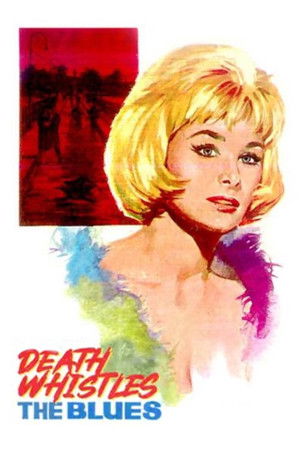
Death Whistles the Blues
1964
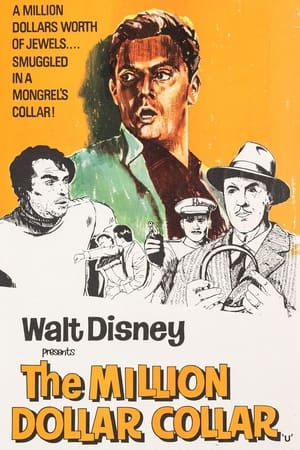
The Ballad of Hector the Stowaway Dog
1964
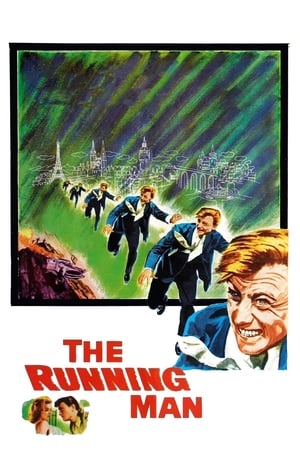
The Running Man
1963
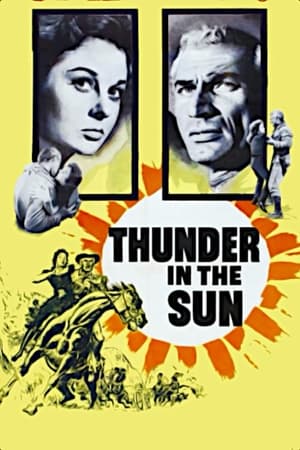
Thunder in the Sun
1959
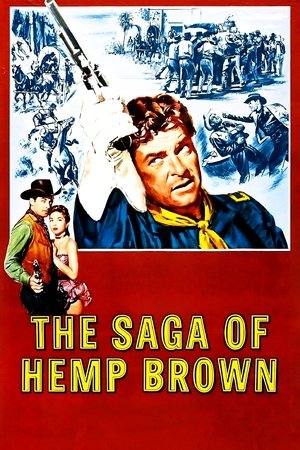
The Saga of Hemp Brown
1958

An Affair to Remember
1957
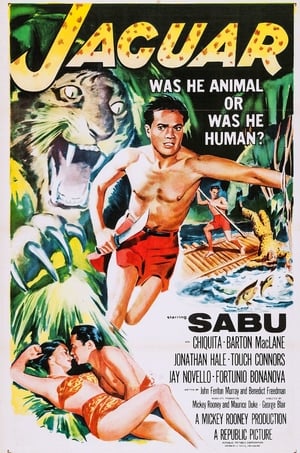
Jaguar
1956
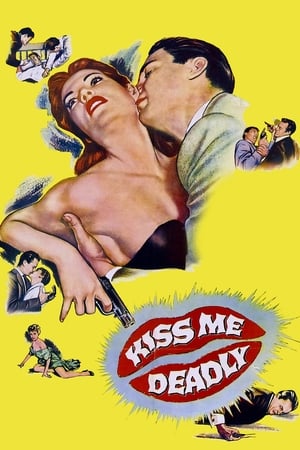
Kiss Me Deadly
1955
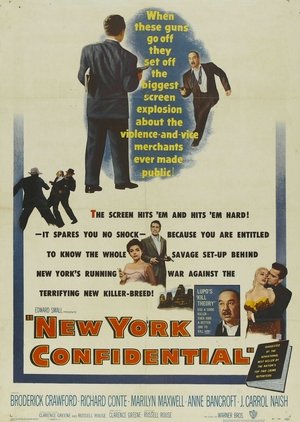
New York Confidential
1955
With This Ring
1954
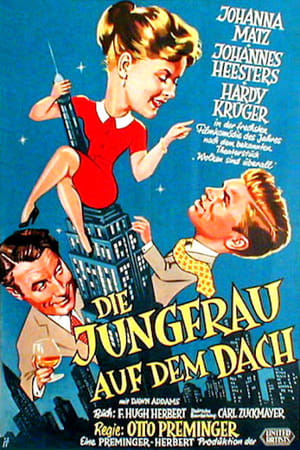
The Girl on The Roof
1953

Conquest of Cochise
1953
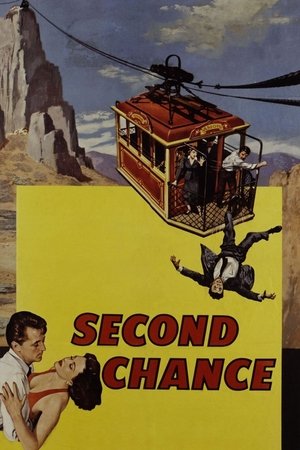
Second Chance
1953

So This Is Love
1953

The Moon Is Blue
1953
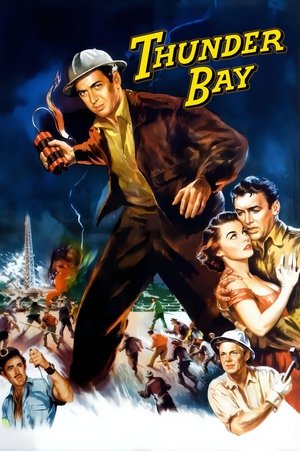
Thunder Bay
1953
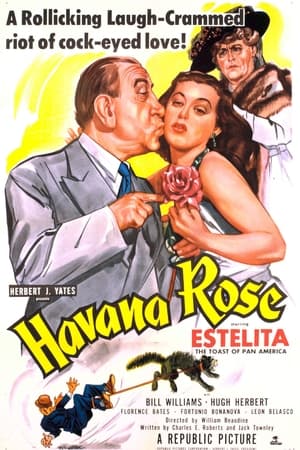
Havana Rose
1951

September Affair
1950
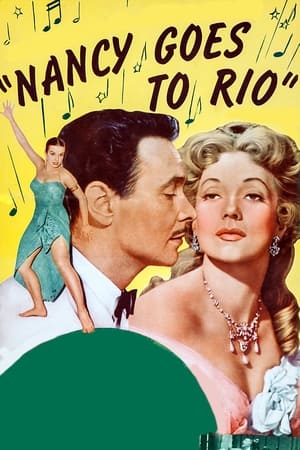
Nancy Goes to Rio
1950
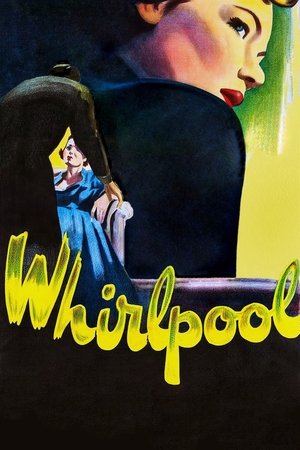
Whirlpool
1950
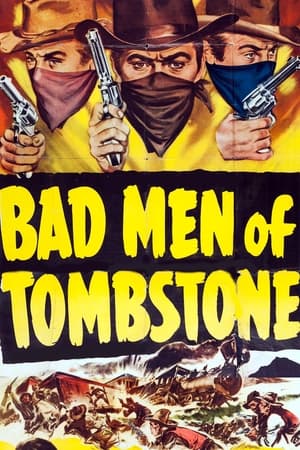
Bad Men of Tombstone
1949
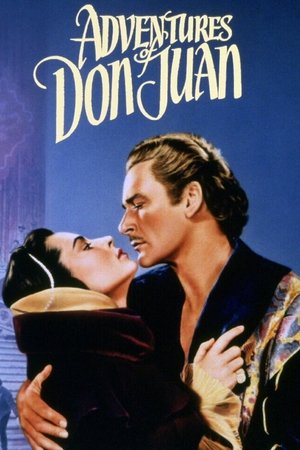
Adventures of Don Juan
1948
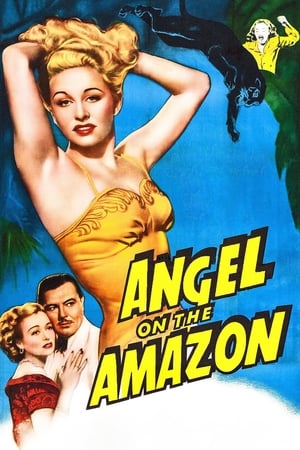
Angel on the Amazon
1948
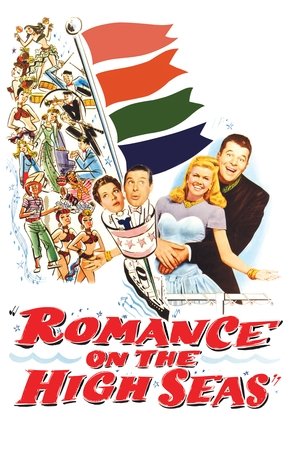
Romance on the High Seas
1948
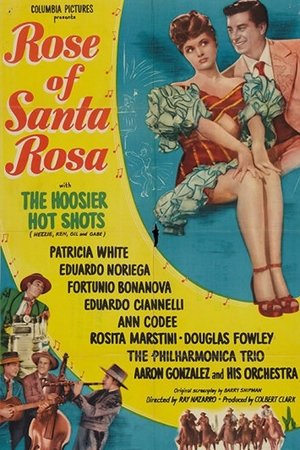
Rose of Santa Rosa
1947
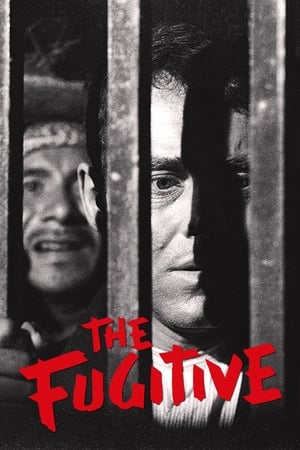
The Fugitive
1947
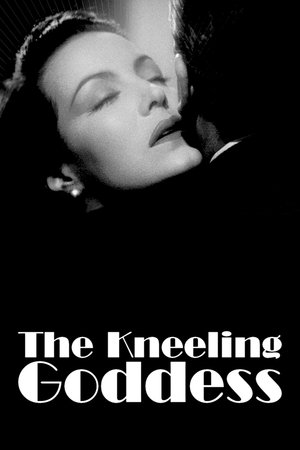
The Kneeling Goddess
1947
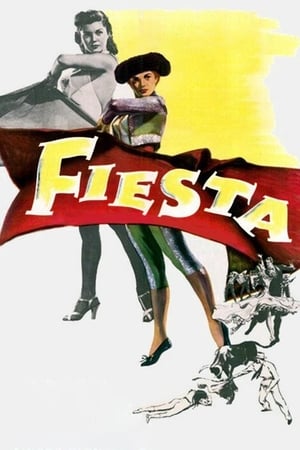
Fiesta
1947
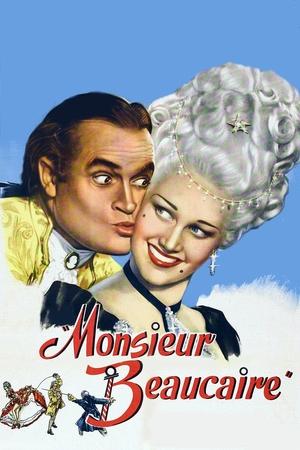
Monsieur Beaucaire
1946
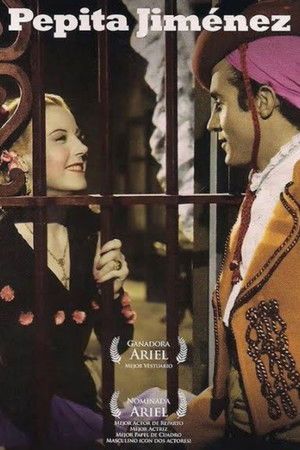
Pepita Jimenez
1946
Hit the Hay
1945
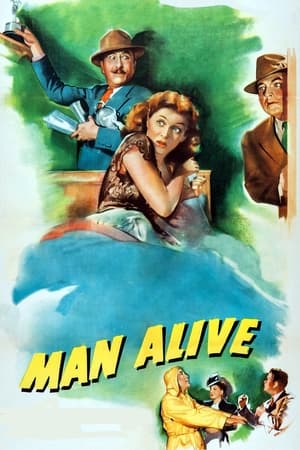
Man Alive
1945
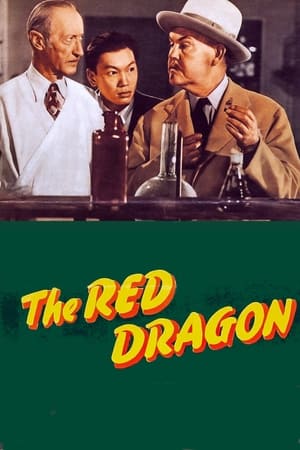
The Red Dragon
1945
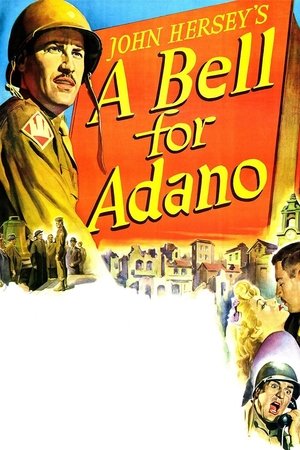
A Bell for Adano
1945
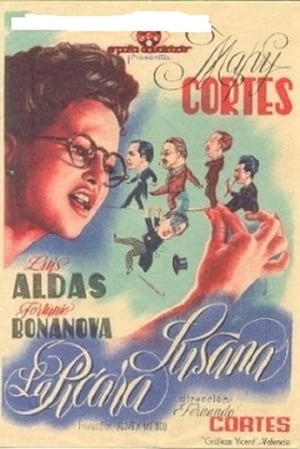
La pícara Susana
1945
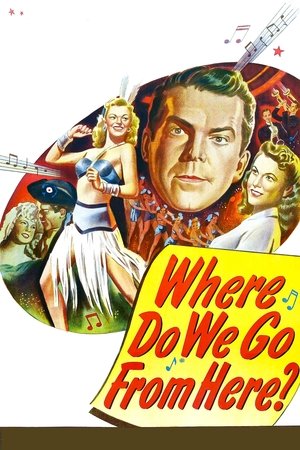
Where Do We Go from Here?
1945
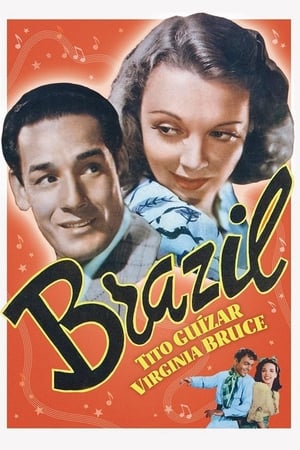
Brazil
1944
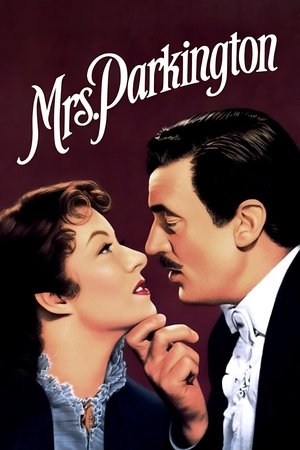
Mrs. Parkington
1944
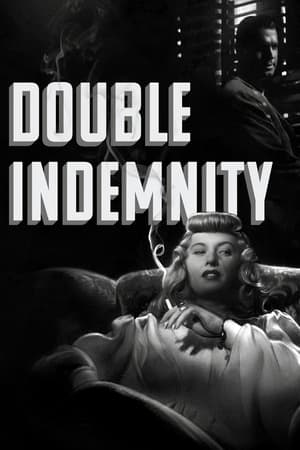
Double Indemnity
1944

My Best Gal
1944