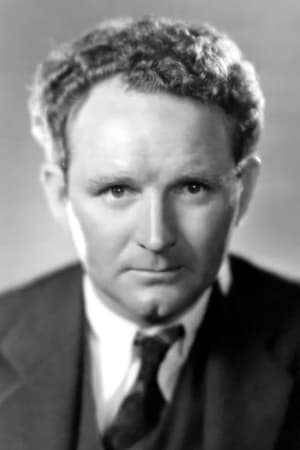
Frank Borzage
Born
23 April 1894 (132)
Place of Birth
Salt Lake City, Utah, USA
Also known as
Mr. Borzage
Biography
From Wikipedia, the free encyclopedia Frank Borzage (April 23, 1894 – June 19, 1962) was an Academy Award-winning American film director and actor, known for directing 7th Heaven (1927), Street Angel (1928), Bad Girl (1931), A Farewell to Arms (1932), Man's Castle (1933), History Is Made at Night (1937), The Mortal Storm (1940) and Moonrise (1948). In 1912 Borzage found employment as an actor in Hollywood; he continued to work as an actor until 1917. His directorial debut came in 1915 with the...
From Wikipedia, the free encyclopedia Frank Borzage (April 23, 1894 – June 19, 1962) was an Academy Award-winning American film director and actor, known for directing 7th Heaven (1927), Street Angel (1928), Bad Girl (1931), A Farewell to Arms (1932), Man's Castle (1933), History Is Made at Night (1937), The Mortal Storm (1940) and Moonrise (1948). In 1912 Borzage found employment as an actor in Hollywood; he continued to work as an actor until 1917. His directorial debut came in 1915 with the film The Pitch o' Chance. He was a successful director throughout the 1920s, but reached his peak in the late silent and early sound era. Absorbing visual influences from the German director F.W. Murnau, who was also resident at Fox at this time, Borzage developed his own style of lushly visual romanticism in a hugely successful series of films starring Janet Gaynor and Charles Farrell, including 7th Heaven (1927), for which he won the first Academy Award for Best Director, Street Angel (1928) and Lucky Star (1929). He won a second Oscar for 1931's Bad Girl. He directed 14 films between 1917 and 1919 alone. His greatest success in the silent era was with Humoresque, a box office winner starring Vera Gordon. Borzage's trademark was intense identification with the feelings of young lovers in the face of adversity, with love in his films triumphing over such trials as World War I (7th Heaven and A Farewell to Arms), disability (Lucky Star), the Depression (Man's Castle), a thinly disguised version of the Titanic disaster in History Is Made at Night, and the rise of Nazism, a theme which Borzage had virtually to himself among Hollywood filmmakers from Little Man, What Now? (1933) to Three Comrades (1938) and The Mortal Storm (1940). His work took a spiritual turn in such films as Green Light (1937), Strange Cargo (1940) and The Big Fisherman (1959). Of his later work only the film noir Moonrise (1948) has enjoyed much critical acclaim. After 1948, Borzage's output was sporadic. In 1955 and 1957, he was awarded The George Eastman Award, given by George Eastman House for distinguished contribution to the art of film. Frank Borzage died of cancer in 1962, aged 68.
Filmography (40)
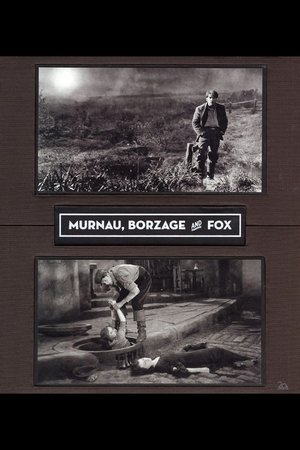
Murnau, Borzage and Fox
2008
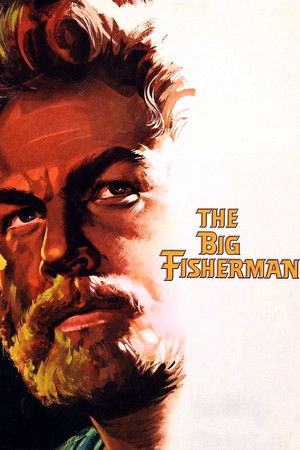
The Big Fisherman
1959
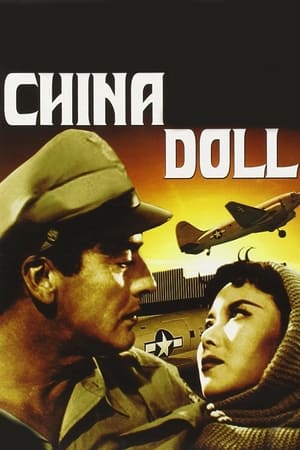
China Doll
1958
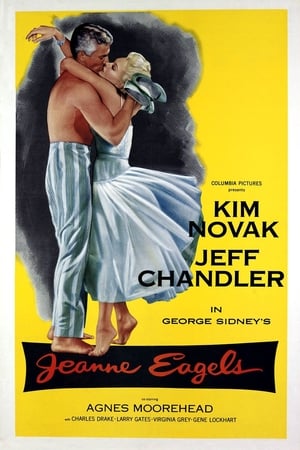
Jeanne Eagels
1957
The Day I Met Caruso
1956
🎬 Director
A Ticket for Thaddeus
1956
🎬 Director
Day is Done
1955
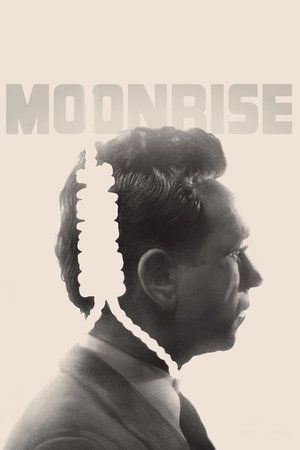
Moonrise
1948
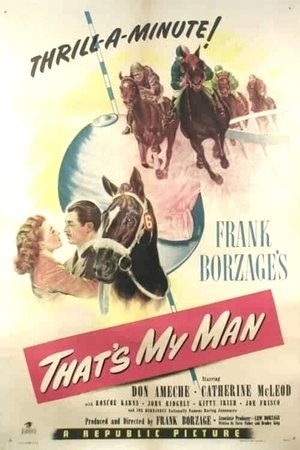
That's My Man
1947
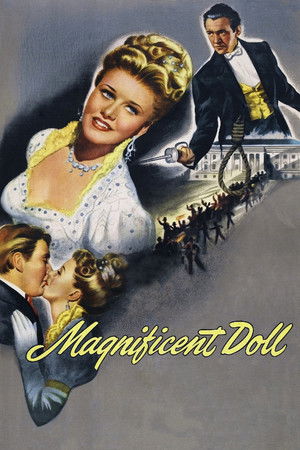
Magnificent Doll
1946
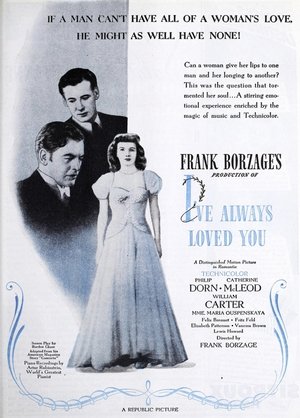
I've Always Loved You
1946
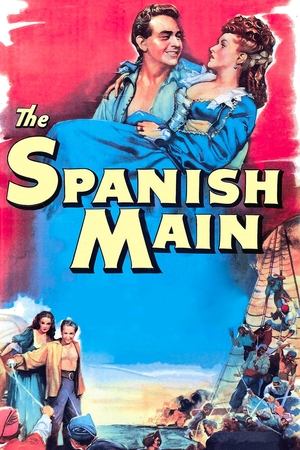
The Spanish Main
1945
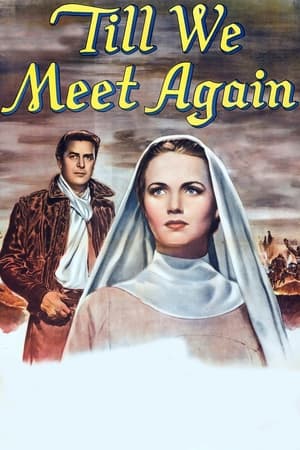
Till We Meet Again
1944

His Butler's Sister
1943
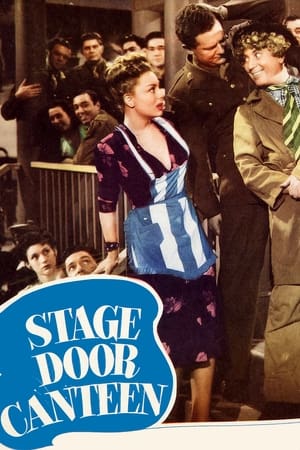
Stage Door Canteen
1943

Seven Sweethearts
1942
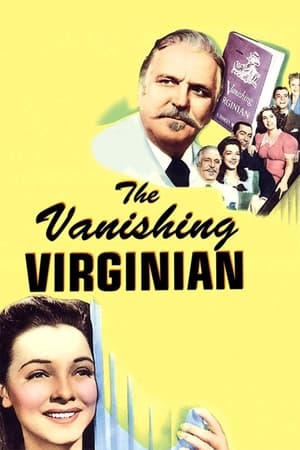
The Vanishing Virginian
1942
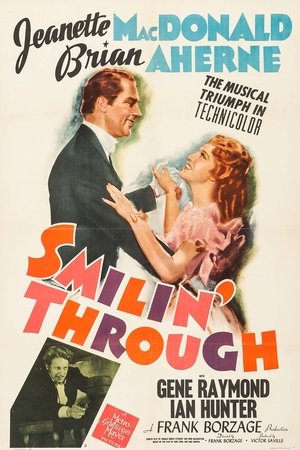
Smilin' Through
1941
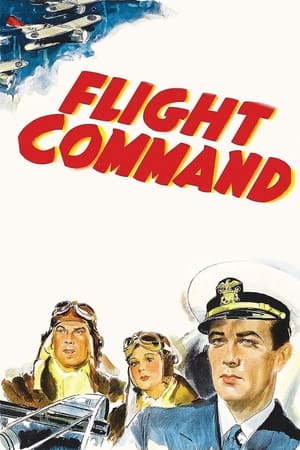
Flight Command
1940
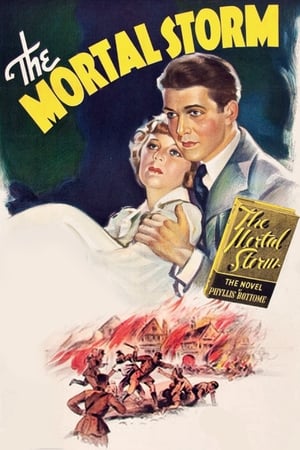
The Mortal Storm
1940
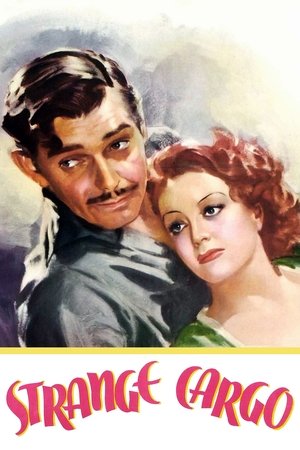
Strange Cargo
1940
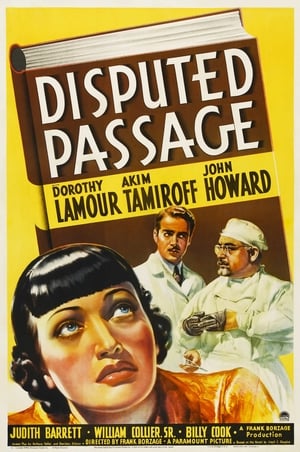
Disputed Passage
1939
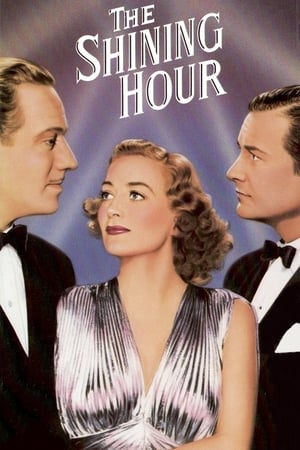
The Shining Hour
1938
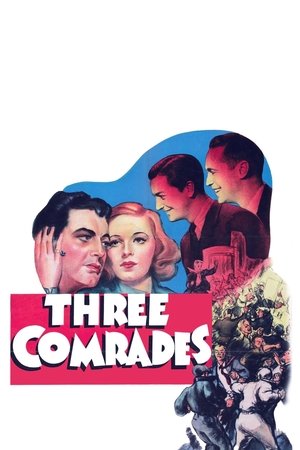
Three Comrades
1938
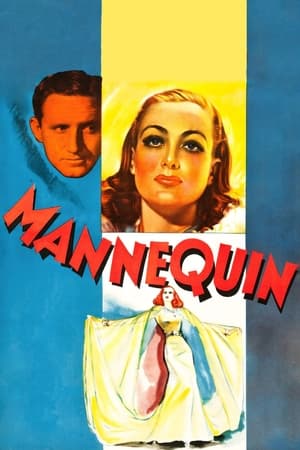
Mannequin
1938
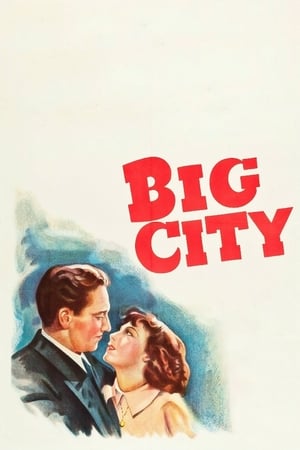
Big City
1937
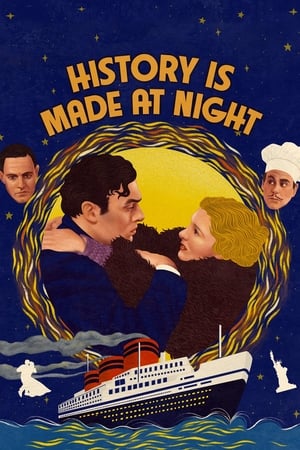
History Is Made at Night
1937
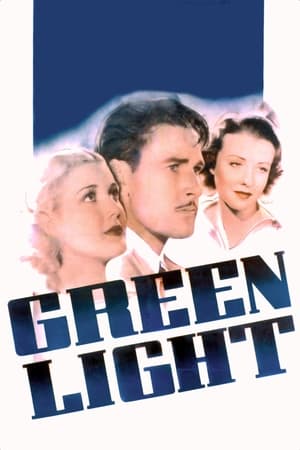
Green Light
1937
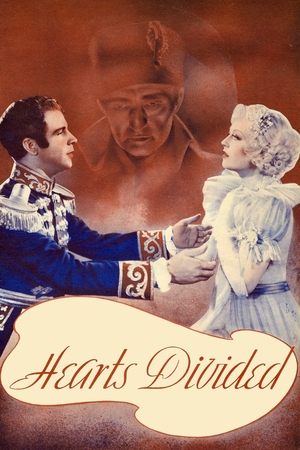
Hearts Divided
1936
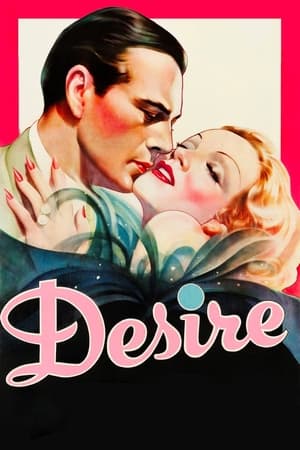
Desire
1936
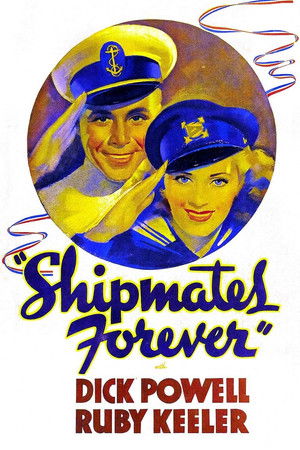
Shipmates Forever
1935
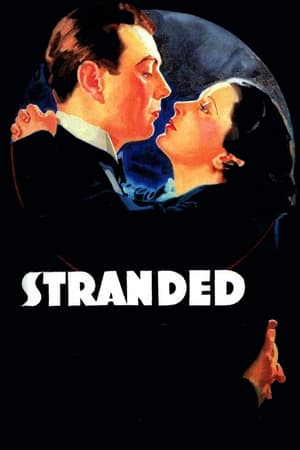
Stranded
1935
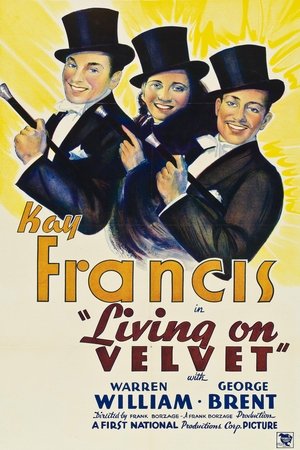
Living on Velvet
1935
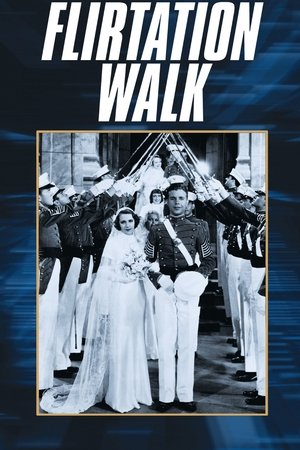
Flirtation Walk
1934
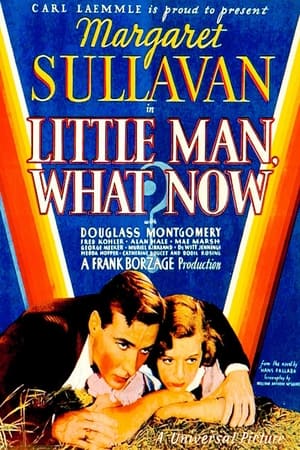
Little Man, What Now?
1934
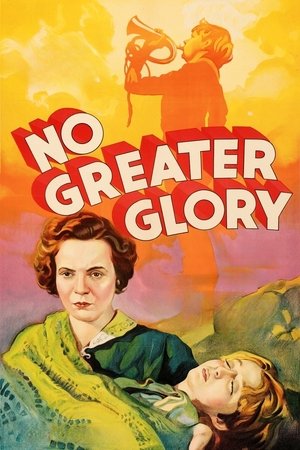
No Greater Glory
1934
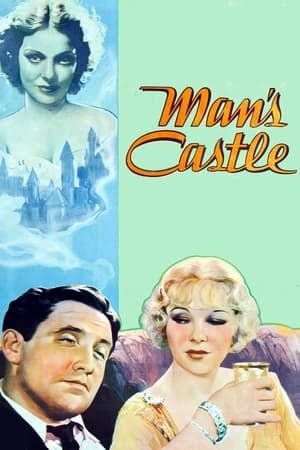
Man's Castle
1933
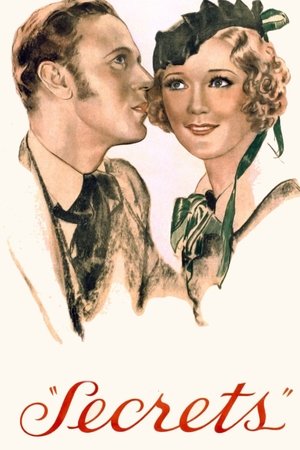
Secrets
1933
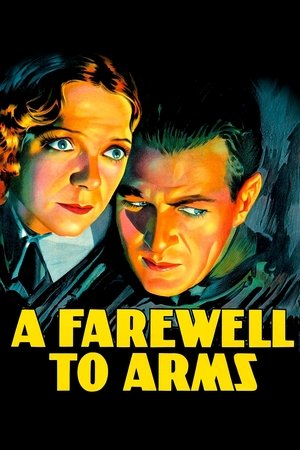
A Farewell to Arms
1932
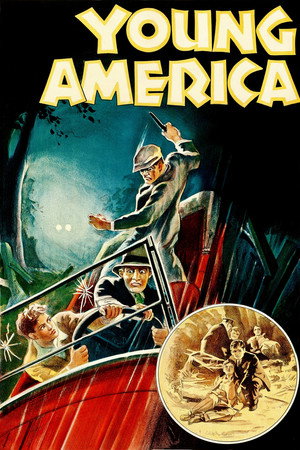
Young America
1932