
Hassan Al-Imam
Born
6 March 1919 (107)
Place of Birth
Al Mansoura, Egypt
Also known as
Hassan El Imam, Hassan al-Imam
Biography
Hassan El Imam is an Egyptian director. He was born in the city of Mansoura in 1919, and received his education at a French school in Cairo, but after his father died following a financial crisis, Hassan was forced to work at an early age to provide for his family, and as he was fluent in both English and French, he started working as a translator. He then moved to working in film as an assistant director to Youssef Wahba. El Imam started his directorial career in a period that was dominated by ...
Hassan El Imam is an Egyptian director. He was born in the city of Mansoura in 1919, and received his education at a French school in Cairo, but after his father died following a financial crisis, Hassan was forced to work at an early age to provide for his family, and as he was fluent in both English and French, he started working as a translator. He then moved to working in film as an assistant director to Youssef Wahba. El Imam started his directorial career in a period that was dominated by melodramas and tragic stories in film, which was the major influence on his style and aesthetic, and led his films to become blockbusters, despite the constant panning from critics even after his death. El Imam's directorial debut was “Mala'ikat Gohanam” (Hell's Angels) in 1946. His most famous films from this period include: “Al Yatimatan” (The Two Orphans) (1948), “Zalamoony Elnas” (People Oppressed Me) (1950). In 1962, El Imam started a new phase in his career, by landing as a substitute for director Salah Abu Seif on the film adaptation of Naguib Mahfouz's “Bein El Qasrein” (Between the Two Palaces). He then continued to direct extremely successful film adaptations of Naguib Mahfouz novels, including “Zuqaq Almidaq” (Almidaq Alley) (1963), “Qasr Elshouq” (Palace of Longing) (1966), and “Alsokkareya” (1973). Despite meeting acclaim from audience, El Imam has always been accused by critics of ruining Mahfouz's novels with his film adaptations. In the 1970's, El Imam started shifting away from melodramas and experimented with different genres, mainly comedies and musicals that were also highly successful among audiences, starting with “Khally Balak men Zuzu” (Take Care of Zuzu) in 1972, which had a theatrical run of over a year and became one of the highest grossing Egyptians films of all time. He invested Zuzu's success afterwards to make other musical comedies like “Hekayty ma'a Elzaman” (My Story with Time) and “Amira Hobby Ana” (Amira my Love). El Imam co-wrote most of his films, and was known for seeking inspiration from French popular stories and fairy tales. He died on the 29th of January, 1988 at the age of 66.
Filmography (40)
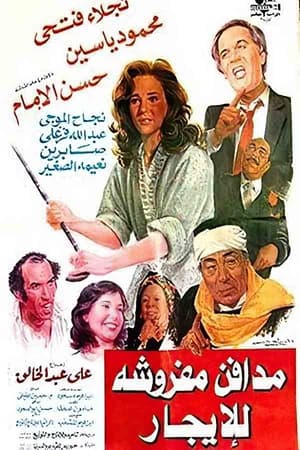
Graveyards for Rent
1986
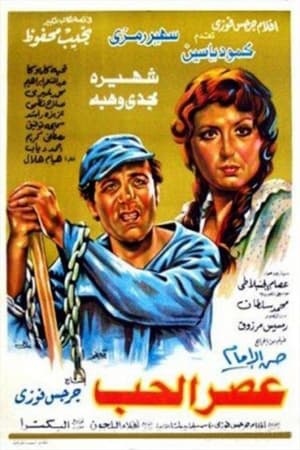
The era of love
1986
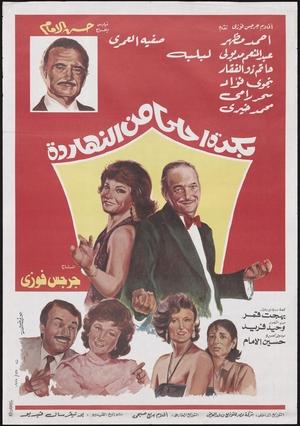
Bokra Ahla Men El-Naharda
1986

Bitter honey of love
1985
🎬 Director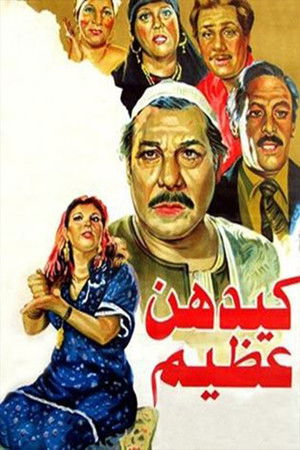
Kaydahonna Azeem
1983
🎬 Director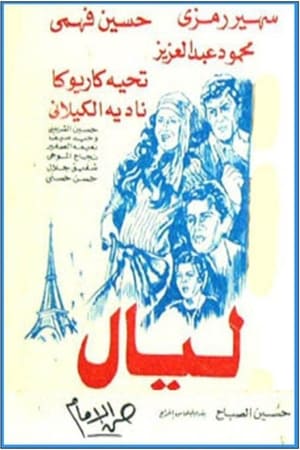
Lial
1982

Who is he in society?
1982
🎬 Director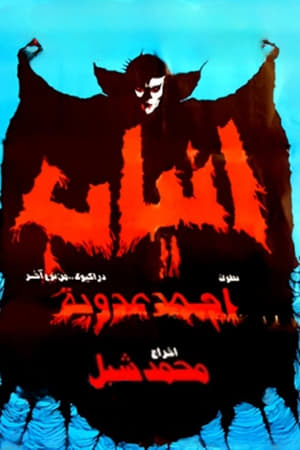
Fangs
1981

Blood on Pink Dress
1981
🎬 Director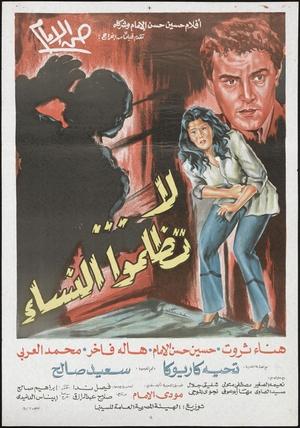
Do not wrong women
1980
🎬 Director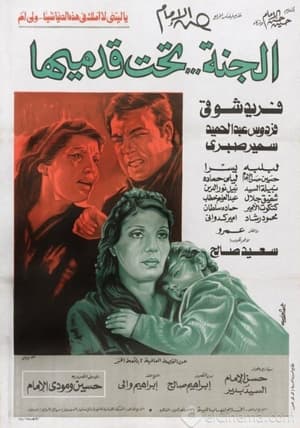
El-Ganna Taht Qadmeha
1979
🎬 Director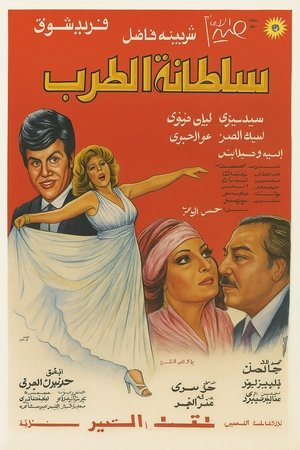
Queen of Tarab
1979
🎬 Director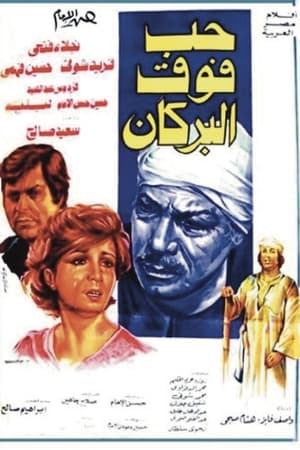
Hob Fauq Al-Burkan
1978
🎬 Director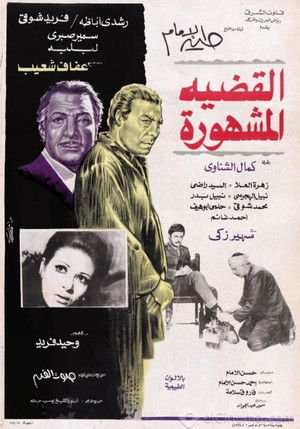
Al-Qadeya Al-Mashhora
1978
🎬 Director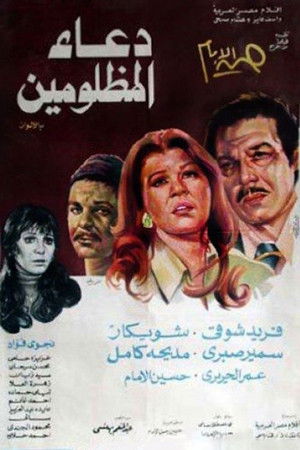
Prayer of the oppressed
1977
🎬 Director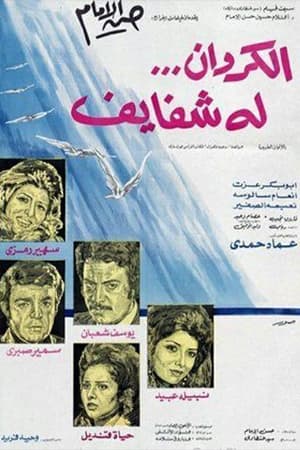
Al-Karawan Loh Shafayef
1976
🎬 Director
Be Good to Your Parents
1976
🎬 Director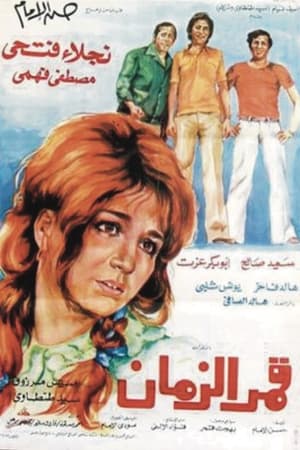
Qamar Al-Zaman
1976
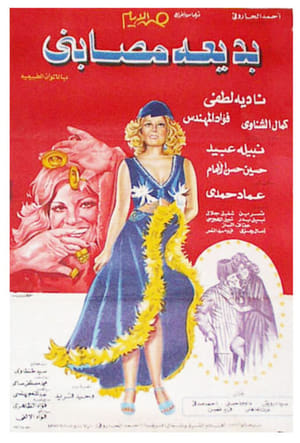
Badia Masabni
1975
🎬 Director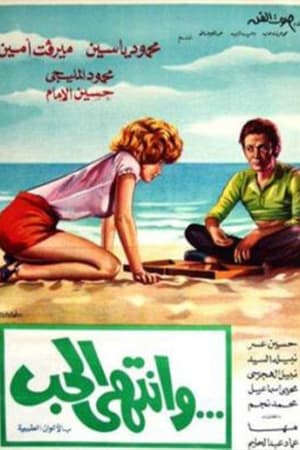
Wantaha Al-Hob
1975
🎬 Director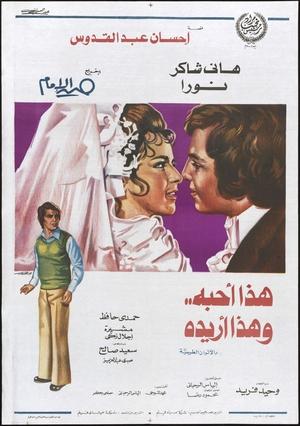
Hadha Uhibbuh wa Hadha Uriduh
1975
🎬 Director
Don't leave me alone
1975
🎬 Director
Amira.. My Love
1975
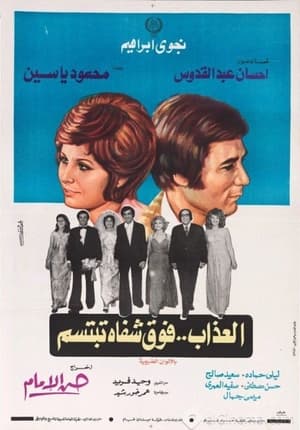
Agony over smiling lips
1974
🎬 Director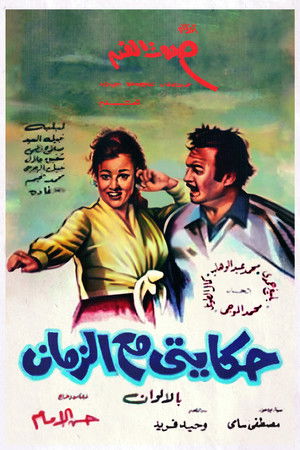
My Story With Time
1974
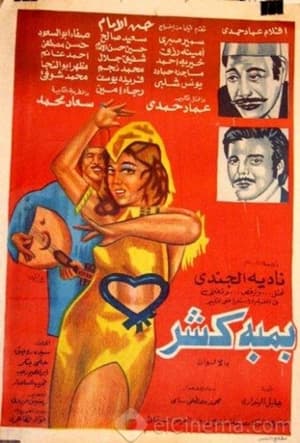
Bamba Kasher
1974
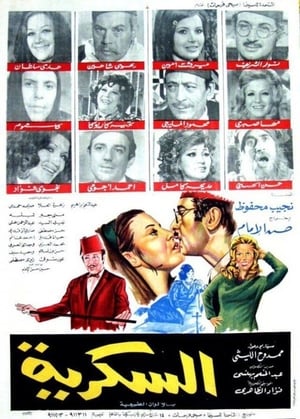
Al Sokkareya
1973
🎬 Director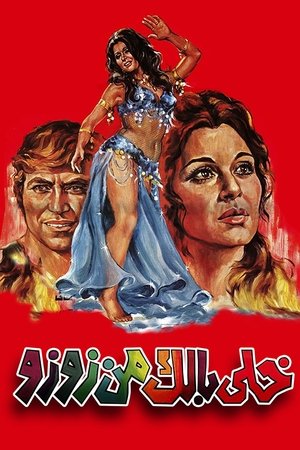
Watch Out for Zuzu
1972
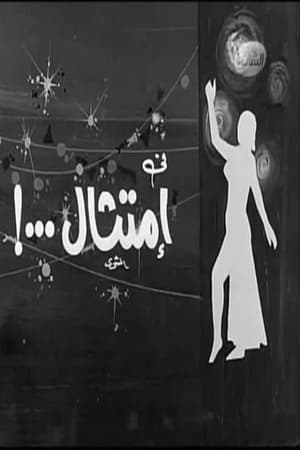
Imtithal
1972
🎬 Director
Love & Pride
1972
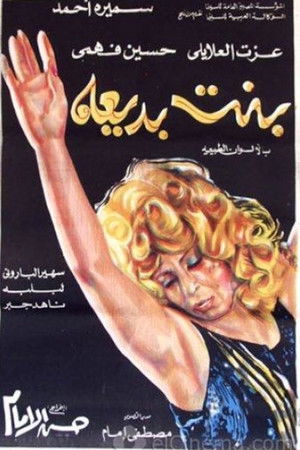
بنت بديعة
1972
🎬 Director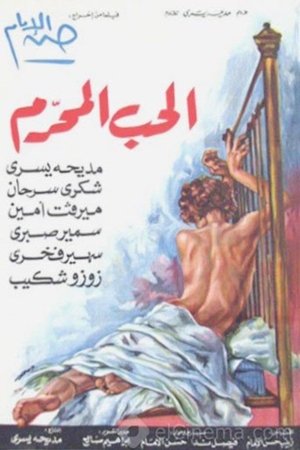
الحب المحرم
1971
🎬 Director
Al-Hob Walmal
1971
🎬 Director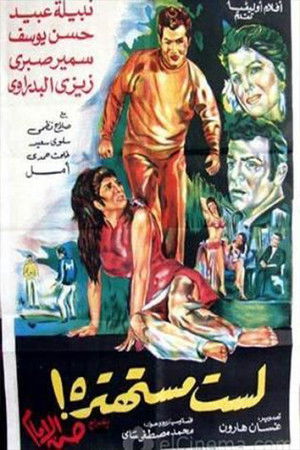
Last Mostahtera
1971
🎬 Director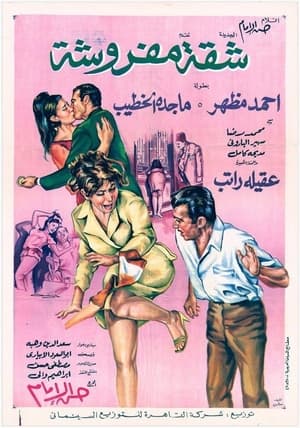
Shaqa Mafrousha
1970
🎬 Director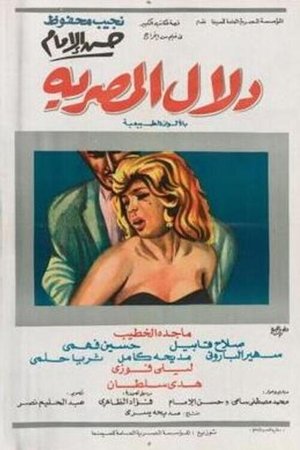
Dalal Al-Masria
1970
🎬 Director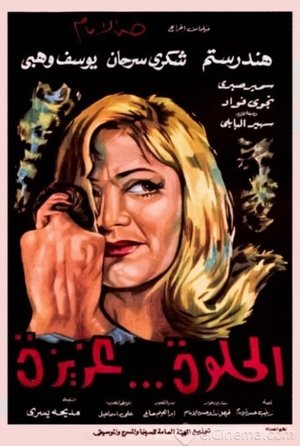
Sweet Aziza
1969
🎬 Director
An Ordinary Girl
1968
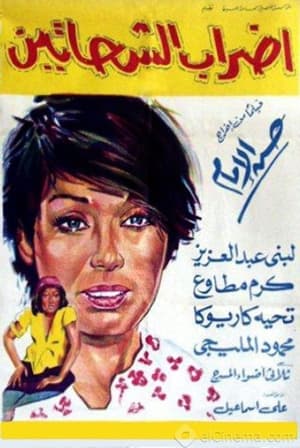
The Beggars' Strike
1967
🎬 Director
Mansion of Longing
1966