
Abbas Kiarostami
Born
22 June 1940 (85)
Place of Birth
Tehran, Iran
Also known as
Kiarostami
Biography
Abbas Kiarostami (Persian: عباس کیارستمی [ʔæbˌbɒːs kijɒːɾostæˈmi] ; June 22, 1940 – July 4, 2016) was an Iranian film director, screenwriter, poet, photographer, and film producer. An active filmmaker from 1970, Kiarostami had been involved in the production of over forty films, including shorts and documentaries. Kiarostami attained critical acclaim for directing the Koker trilogy (1987–1994), Close-Up (1990), The Wind Will Carry Us (1999), and Taste of Cherry (1997), which was awarded the Palm...
Abbas Kiarostami (Persian: عباس کیارستمی [ʔæbˌbɒːs kijɒːɾostæˈmi] ; June 22, 1940 – July 4, 2016) was an Iranian film director, screenwriter, poet, photographer, and film producer. An active filmmaker from 1970, Kiarostami had been involved in the production of over forty films, including shorts and documentaries. Kiarostami attained critical acclaim for directing the Koker trilogy (1987–1994), Close-Up (1990), The Wind Will Carry Us (1999), and Taste of Cherry (1997), which was awarded the Palme d'Or at the Cannes Film Festival that year. In later works, Certified Copy (2010) and Like Someone in Love (2012), he filmed for the first time outside Iran: in Italy and Japan, respectively. His films Where Is the Friend's Home? (1987), Close-Up, and The Wind Will Carry Us were ranked among the 100 best foreign films in a 2018 critics' poll by BBC Culture. Close-Up was also ranked one of the 50 greatest movies of all time in the famous decennial Sight & Sound poll conducted in 2012. Kiarostami had worked extensively as a screenwriter, film editor, art director, and producer and had designed credit titles and publicity material. He was also a poet, photographer, painter, illustrator, and graphic designer. He was part of a generation of filmmakers in the Iranian New Wave, a Persian cinema movement that started in the late 1960s and emphasized the use of poetic dialogue and allegorical storytelling dealing with political and philosophical issues. Kiarostami had a reputation for using child protagonists, for documentary-style narrative films, for stories that take place in rural villages, and for conversations that unfold inside cars, using stationary mounted cameras. He is also known for his use of Persian poetry in the dialogue, titles, and themes of his films. Kiarostami's films contain a notable degree of ambiguity, an unusual mixture of simplicity and complexity, and often a mix of fictional and documentary elements. The concepts of change and continuity, in addition to the themes of life and death, play a major role in Kiarostami's works. Description above from the Wikipedia article Abbas Kiarostami, licensed under CC-BY-SA, full list of contributors on Wikipedia.
Filmography (40)

Bukhara Chronicles
2025
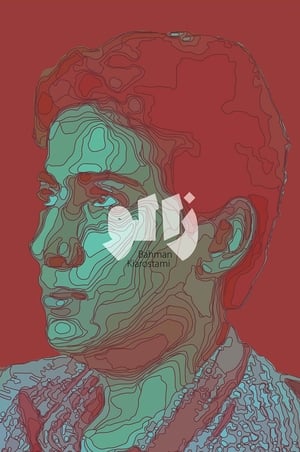
Leech
2021

The Mirror of Possible Worlds: Kiarostami on Aran
2020
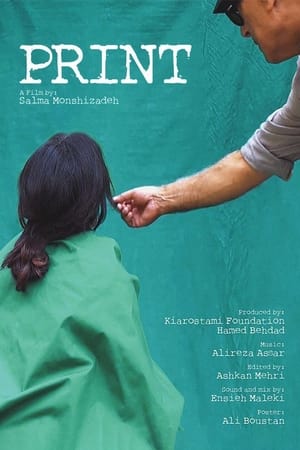
2019

24 Frames
2018
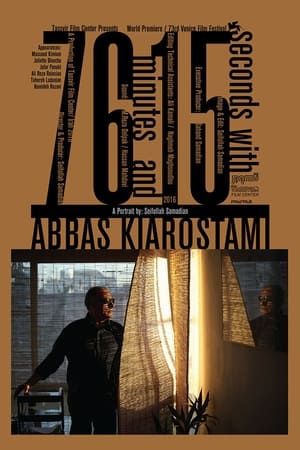
76 Minutes and 15 seconds with Abbas Kiarostami
2016

Take Me Home
2016

Passenger
2016
🎬 Director
Vida
2014
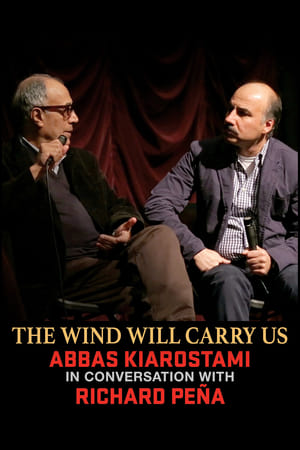
The Poetry of Cinema: Abbas Kiarostami in Conversation with Richard Peña
2014

What Is Cinema?
2013
Venice 70: Future Reloaded
2013
Abbas Kiarostami: A Report
2013

Making of 'Like Someone in Love'
2012

Like Someone in Love
2012
Kurosawa's Way
2011
Guest
2011
No
2010

Sodankylä Forever
2010

Certified Copy
2010
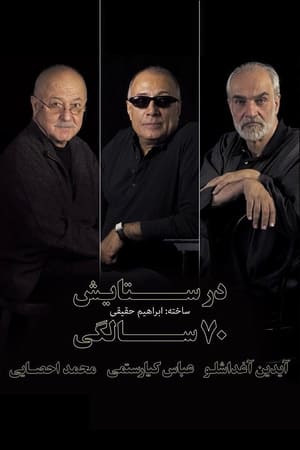
In Praise of the Seventy Years Old
2010

Let's See Copia Conforme
2010

Shirin
2009

Taste of Shirin
2008

Seagull Eggs
2008
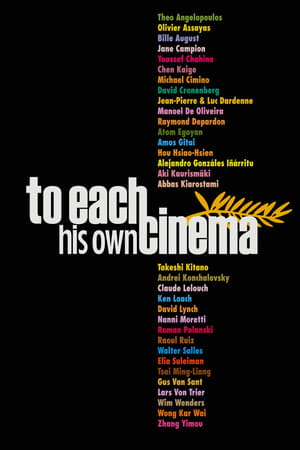
To Each His Own Cinema
2007
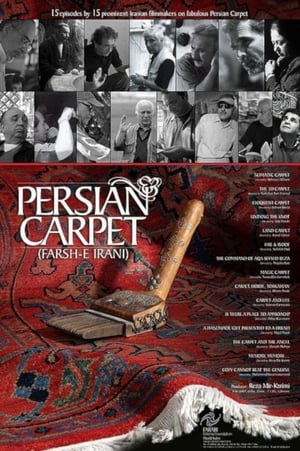
Persian Carpet
2007

Víctor Erice – Abbas Kiarostami: Correspondences
2007
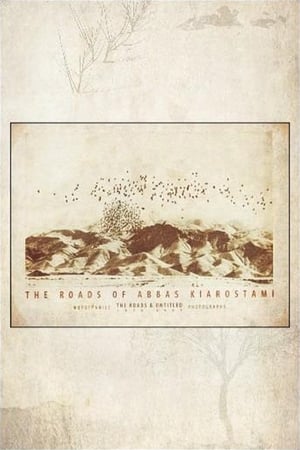
Roads of Kiarostami
2006
Rug
2006
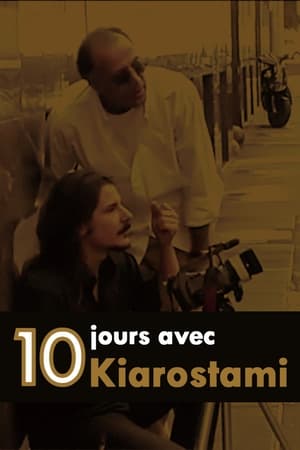
10 Days with Kiarostami
2005
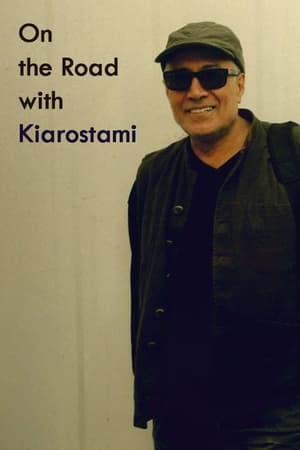
On the Road with Kiarostami
2005

Tickets
2005

TropiAbbas
2005

Around Five
2005
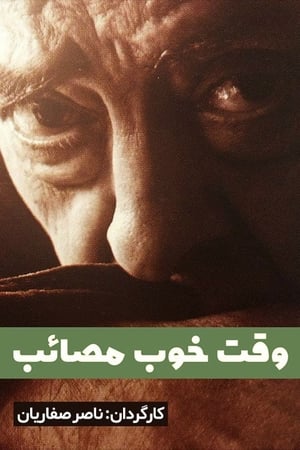
A Good Time for Tragedy
2005

10 on Ten
2004
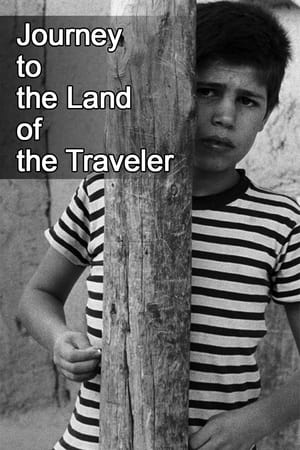
Journey to the Land of the Traveler
2004
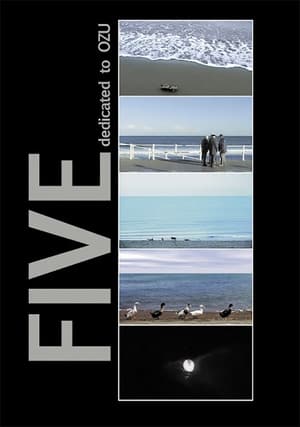
Five Dedicated to Ozu
2003
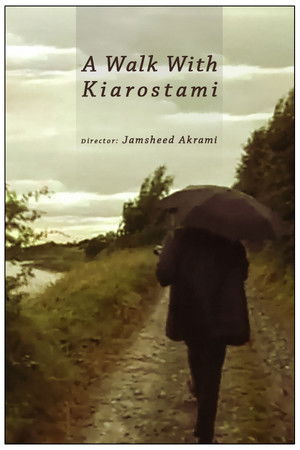
A Walk with Kiarostami
2003