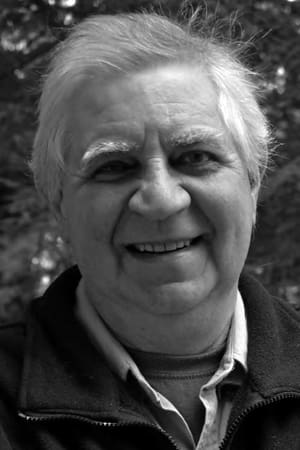
Jean Pierre Lefebvre
Born
17 August 1941 (84)
Place of Birth
Montréal, Québec, Canada
Biography
Jean Pierre Lefebvre (born 17 August 1941) is a Canadian filmmaker. He is widely admired as "the godfather of independent Canadian cinema," particularly among young, independent filmmakers. Jean Pierre Lefebvre studied literature at the University of Montréal and taught for two years at the Jesuit-run Loyola College in Montreal (now part of Concordia University). He began writing as a film critic, first for Quartier Latin, then for Séquences and Objectif. He directed his first film, a short dra...
Jean Pierre Lefebvre (born 17 August 1941) is a Canadian filmmaker. He is widely admired as "the godfather of independent Canadian cinema," particularly among young, independent filmmakers. Jean Pierre Lefebvre studied literature at the University of Montréal and taught for two years at the Jesuit-run Loyola College in Montreal (now part of Concordia University). He began writing as a film critic, first for Quartier Latin, then for Séquences and Objectif. He directed his first film, a short drama, then three independent features. He joined the National Film Board of Canada and made two films, including the 1968 feature My Friend Pierrette (Mon amie Pierrette), co-starring Raôul Duguay and produced by Clément Perron. Lefebvre was then asked to head the NFB's French-language fiction studio. He began its Premières Oeuvres series, designed to make low-budget shorts and features. Four features and a number of shorts were produced within a year before the initiative was terminated, and Lefebvre left to form his own production company, Cinak, with his wife and editor, Marguerite Duparc. He writes and produces all his own films. Lefebvre was one of the first Canadian filmmakers to receive international acclaim for his work; his film Don't Let It Kill You (Il ne faut pas mourir pour ça) (1967) was the first Canadian film to be invited to the Cannes Film Festival. He proved to be successful again at Cannes when he received the International Critics' Prize for Les fleurs sauvages (1982) and his film Le jour S... (1984) was screened in the Un Certain Regard section. His 1973 film The Last Betrothal (Les dernières fiançailles) won the prestigious Prix de l'Organisation catholique internationale du cinéma in 1974. Il ne faut pas mourir pour ça (1967), Le Vieux pays où Rimbaud est mort (1977), and Aujourd'hui ou jamais (1997) make up his Abel Trilogy; three feature films starring the recurring character of Abel Gagné played by Marcel Sabourin. In 1991, he was made an Officer of the Order of Canada "for his innovative and high-quality feature films". In 1995 he was awarded the Prix Albert-Tessier. In 2013, Lefebvre received a Governor General's Performing Arts Award. Source: Article "Jean Pierre Lefebvre" from Wikipedia in English, licensed under CC-BY-SA 3.0.
Filmography (36)
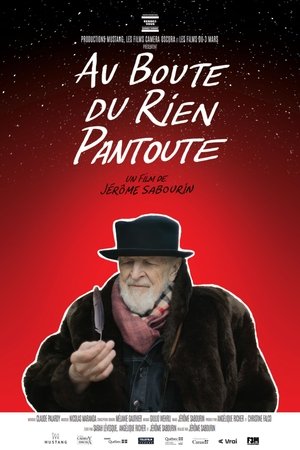
At the End of Nothing at All
2024

Jean Pierre Lefebvre
2013
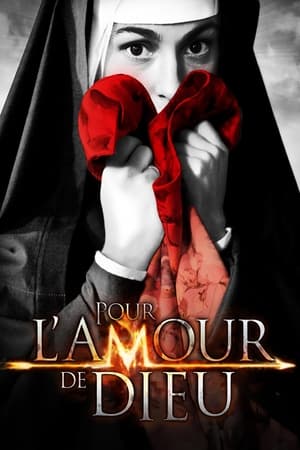
Pour l'amour de Dieu
2011
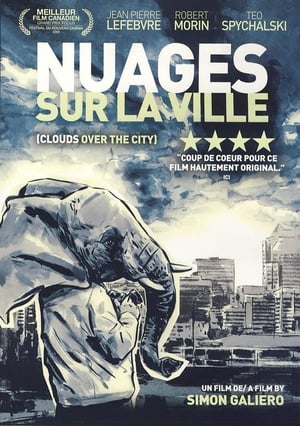
Clouds Over the City
2009
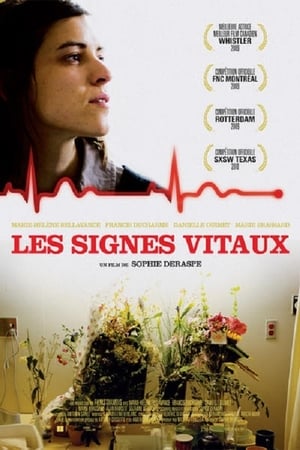
Vital Signs
2009
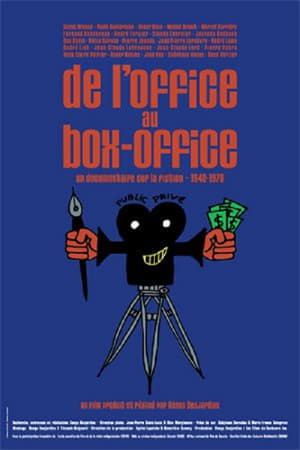
From Office to Box-Office
2009
Larry Kent: The Man Who Shot Horses with Green Tails
2006
Le manuscrit érotique
2003
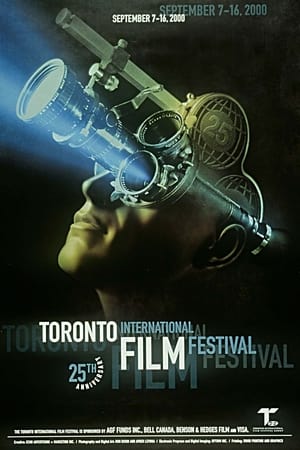
Preludes
2000
🎬 Director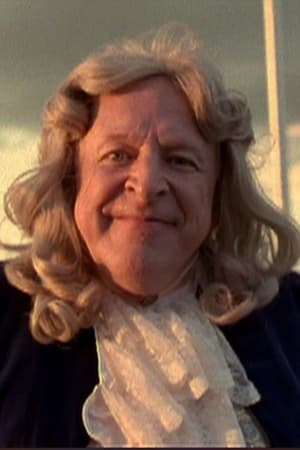
See You in Toronto
2000
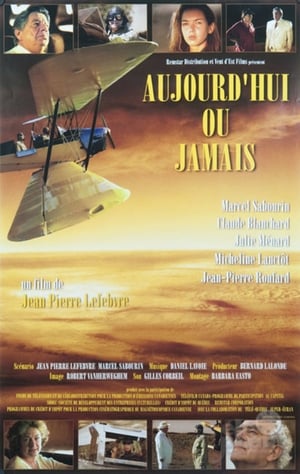
Now or Never
1998
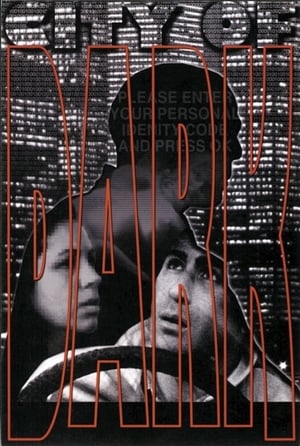
City of Dark
1997
The Fabulous Voyage of the Angel
1991
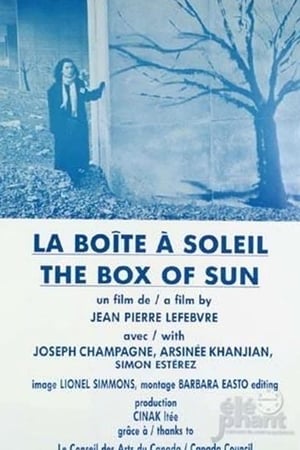
The Box of Sun
1988
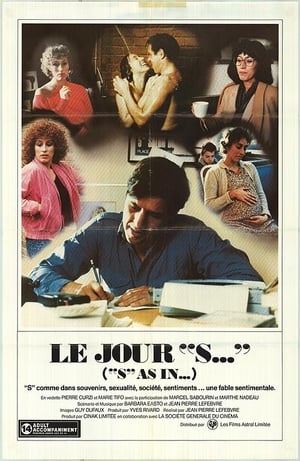
S As in...
1984
To the Rhythm of my Heart
1983
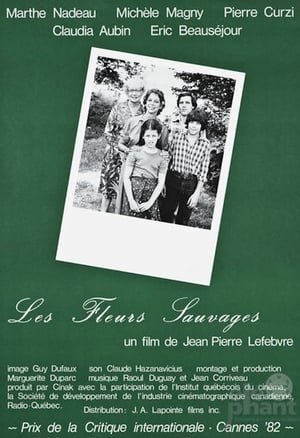
Wild Flowers
1982
Avoir 16 ans
1979
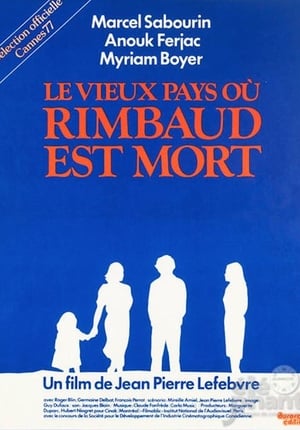
The Old Country Where Rimbaud Died
1977
Le gars des vues
1976
L'île jaune
1975
L'amour blessé
1975
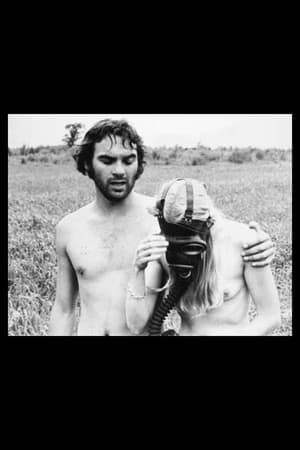
Ultimatum
1973
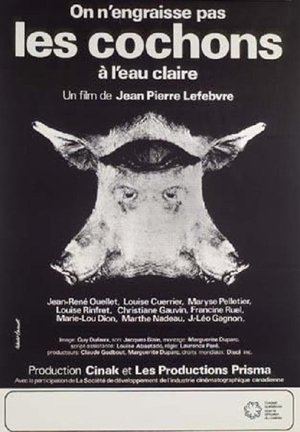
Pigs Are Seldom Clean
1973
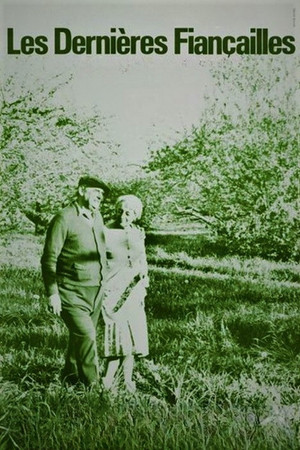
The Last Betrothal
1973
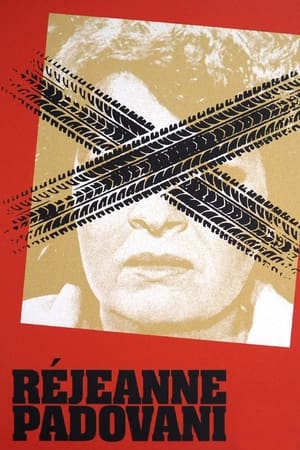
Réjeanne Padovani
1973
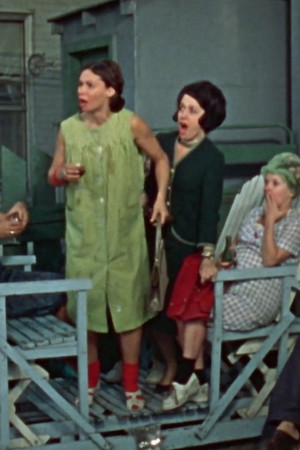
Backyard Theatre
1973
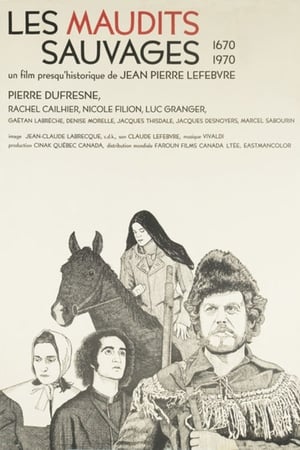
Those Damned Savages
1971
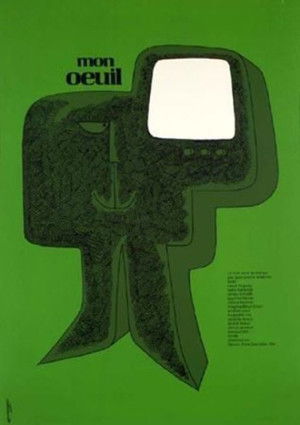
Mon oeil
1971
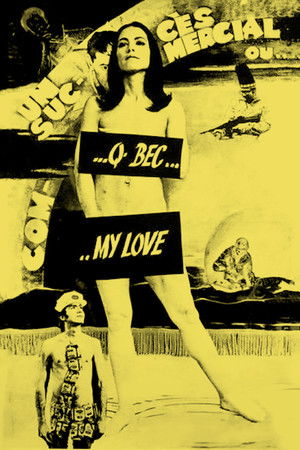
Q-Bec My Love
1970

The House of Light
1969
My Friend Pierrette
1969
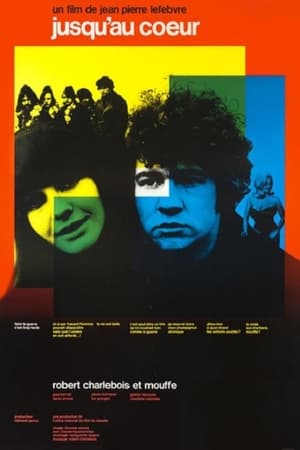
Straight to the Heart
1969
Patricia et Jean-Baptiste
1968
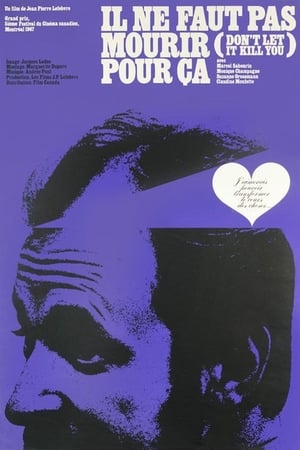
Don't Let It Kill You
1967
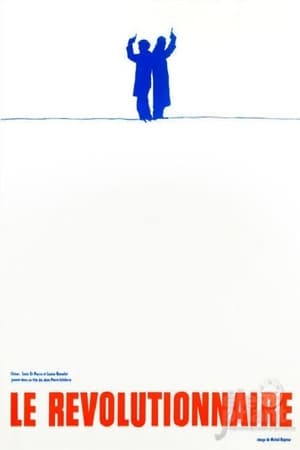
The Revolutionary
1965