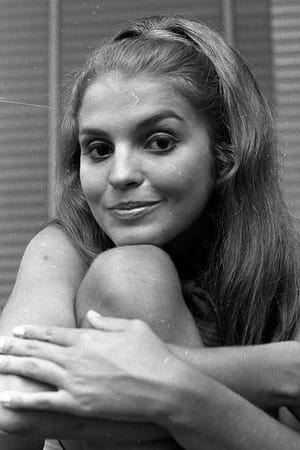
Leila Diniz
Born
25 March 1945 (81)
Place of Birth
Niterói, Rio de Janeiro, Brazil
Also known as
Leila Roque Diniz
Biography
Leila Roque Diniz (25 March 1945 – 14 June 1972) was a Brazilian television, movie and theatre actress, whose liberal ideas and attitudes about sex had raised the discontent of both the feminists and the Brazilian military government of the 1960s. Born in a middle-class family and the daughter of a communist activist, Leila worked as a kindergarten teacher at age 15. At age 17, she met movie director Domingos de Oliveira, with whom she lived until age 21. Between 1962 and 1964 she had minor rol...
Leila Roque Diniz (25 March 1945 – 14 June 1972) was a Brazilian television, movie and theatre actress, whose liberal ideas and attitudes about sex had raised the discontent of both the feminists and the Brazilian military government of the 1960s. Born in a middle-class family and the daughter of a communist activist, Leila worked as a kindergarten teacher at age 15. At age 17, she met movie director Domingos de Oliveira, with whom she lived until age 21. Between 1962 and 1964 she had minor roles on stage. In 1965, Diniz started working in television, where she made several telenovelas and various commercials. In 1967, she also started to make movies. She died on 14 June 1972, aged 27, at the peak of fame, coming back from a movie festival in Australia, where she won a Best Actress award for the movie Mãos Vazias ("Empty Hands"), in the Japan Airlines Flight 471 crash in India.
Filmography (23)
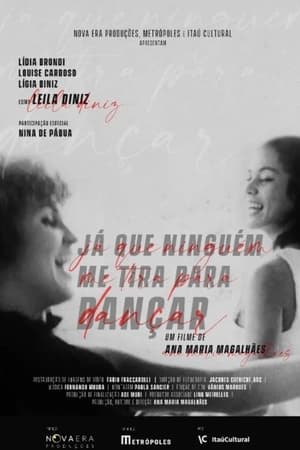
Já que Ninguém me Tira Para Dançar
2021
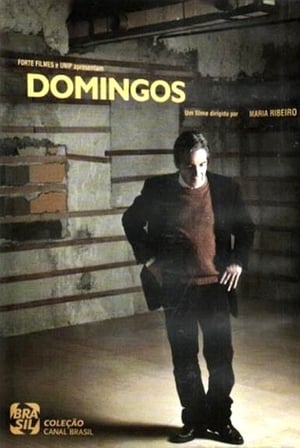
Domingos
2009

Celebração - 100 Anos do Cinema Nacional
1997
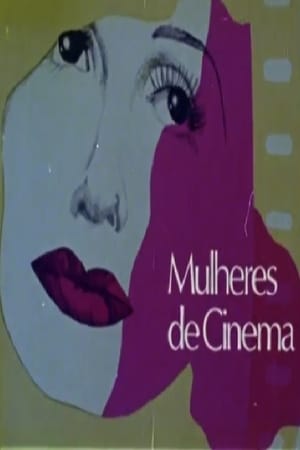
Mulheres de Cinema
1978
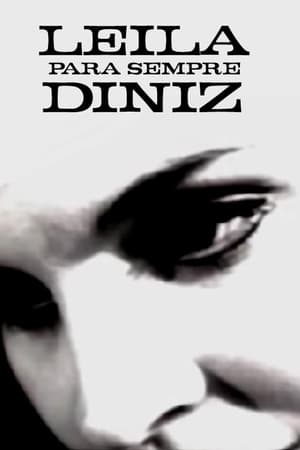
Leila Para Sempre Diniz
1976
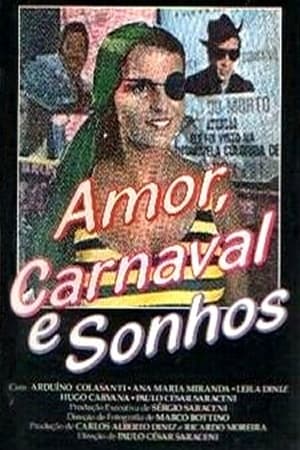
Love, Carnival and Dreams
1972
O Donzelo
1971
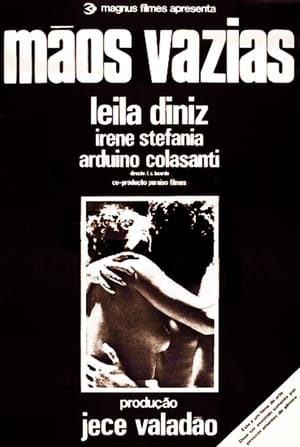
Mãos Vazias
1971
The Alienist
1970
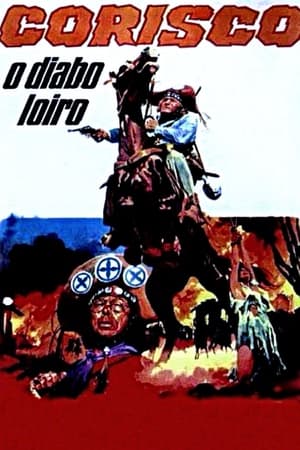
Corisco, o Diabo Loiro
1969

Os Paqueras
1969
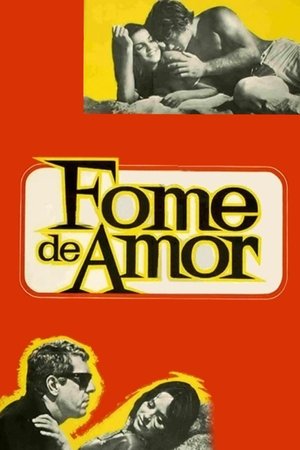
Hunger for Love
1968
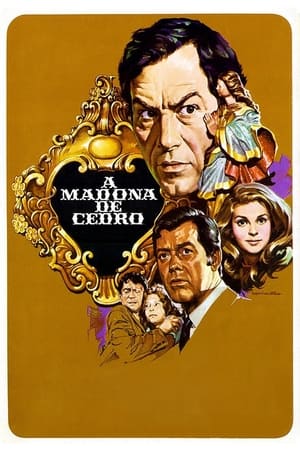
A Madona de Cedro
1968
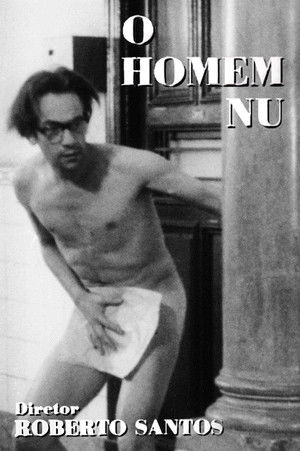
The Naked Man
1968
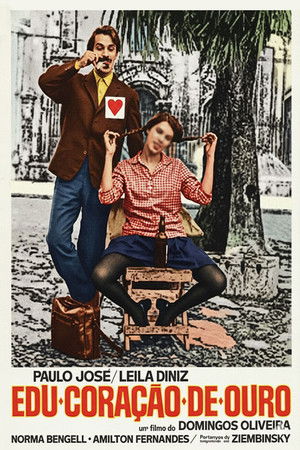
Edu, Coração de Ouro
1968
Fantasia para Ator e TV
1968
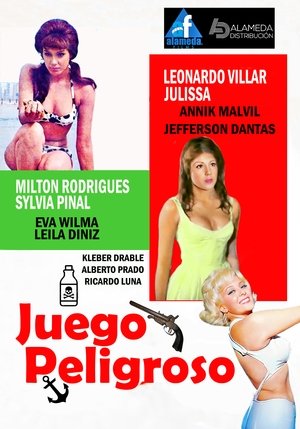
Dangerous Game
1967
Divertimento
1967
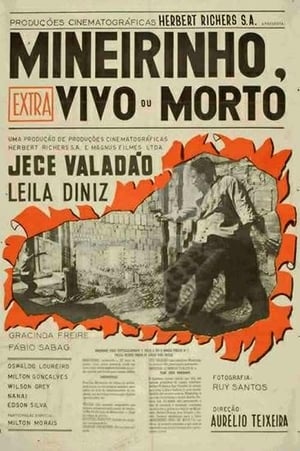
Mineirinho, Vivo ou Morto
1967
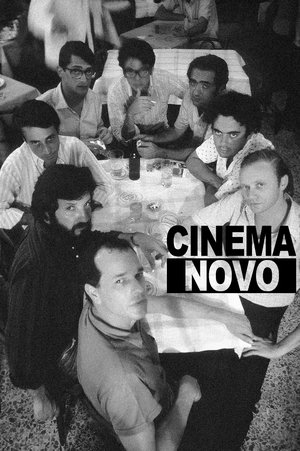
Improvised and Purposeful: Cinema Novo
1967
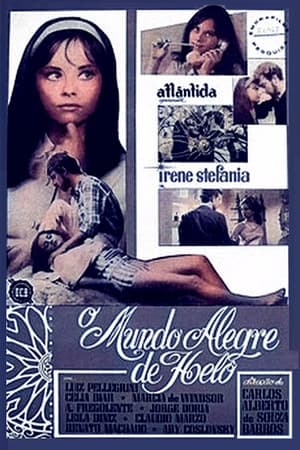
O Mundo Alegre de Helô
1967
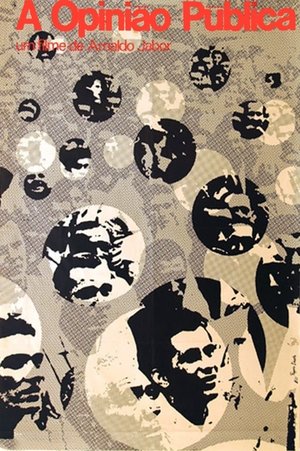
A Public Opinion
1967
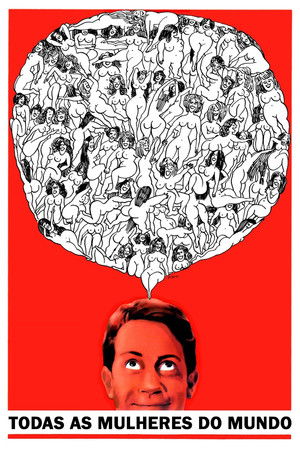
All the Women in the World
1966