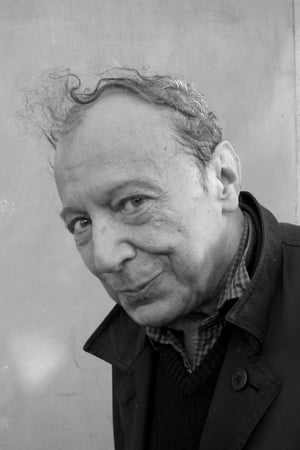
Adolfo Arrieta
Born
28 August 1942 (83)
Place of Birth
Madrid, Spain
Also known as
Adolpho Arrietta, Ado Arrieta
Biography
Adolfo González Arrieta is a spanish filmmaker, considered as the pioneer of independent film both in Spain and France, due to the artisan quality and the unique spirit of freedom of his films. He usually uses variations of his name in the credits of his films, such as Udolfo Arrieta, Alfo Arrieta or Adolpho Arrieta. His cinematic language is very poetic, apart from narrative conventions, which has made it to be compared with the cinema of Jean Cocteau. Having started as a painter, Arrieta began...
Adolfo González Arrieta is a spanish filmmaker, considered as the pioneer of independent film both in Spain and France, due to the artisan quality and the unique spirit of freedom of his films. He usually uses variations of his name in the credits of his films, such as Udolfo Arrieta, Alfo Arrieta or Adolpho Arrieta. His cinematic language is very poetic, apart from narrative conventions, which has made it to be compared with the cinema of Jean Cocteau. Having started as a painter, Arrieta began his filmmaking with the short films El crimen de la pirindola (1965) and Imitación del ángel (1966) both shot in Madrid, a milestone for independent cinema in Spain. He moved to Paris in 1967 with Javier Grandes, an usual actor in most of his films, where he would live through the events of May 1968. In 1969 he met Jean Marais, leading actor in La Belle et la Bête (1945), Orphée (1949) and Le Testament d'Orphée (1959) by Jean Cocteau, of whom he had been a former lover. With Marais Arrieta would shot his first feature film, Le Jouet criminel (1969), that was compared to Cocteau's cinema for his poetic nature. With Le Château de Pointilly (1972), he would receive critical praise from Marguerite Duras. He won the Great Prize at the Toulon Film Festival with Les Intrigues de Sylvia Couski (1974), acclaimed by the critics and considered as the first underground parisian film. He would follow with Tam Tam (1976), the record of an uninterrupted party between New York, Paris and Spain; and Flammes (1978), a story about a sexual childhood fantasy turning into a real passion in the adulthood. In the following years he would make Grenouilles (1983), Kiki, la gata (episode of the TV series Delirios de amor, 1989), Merlín (1990) and Narciso (2004). His next film, Vacanza permanente (2006), was awarded at the Lucca International Film Festival, and meant for Arrieta a creative rebirth. It was premiered in Madrid at La Casa Encendida de Madrid on May 27 2007, during the polipoetry festival Yuxtaposiciones, and presented by the writer Leopoldo Alas. In March 2008 the venue La Enana Marrón in Madrid held a partial retrospective of Arrieta's filmography, screening his most outstanding works.
Filmography (25)

Red Anorak
2026
🎬 Director
To Laugh, to Sing, Perchance to Cry
2024

The Kegelstatt Trio
2022
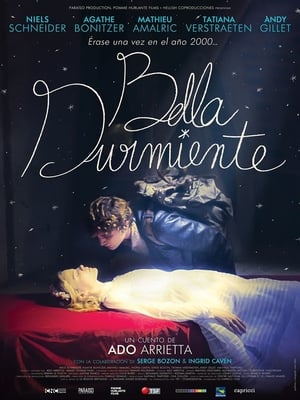
Sleeping Beauty
2017
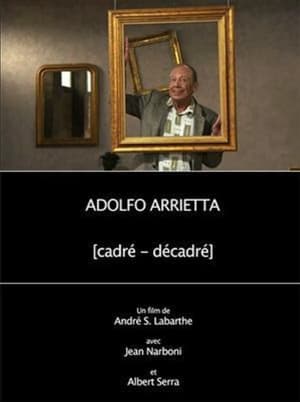
Adolfo Arrietta, (cadré - décadré)
2015
F.M. Banier filmé par A. Arrietta
2015
🎬 Director
L'Imprésario
2010
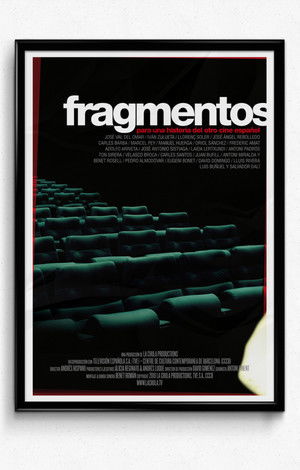
Fragmentos para una historia del otro cine español
2010

Dry Martini
2008
Vacanza permanente
2006
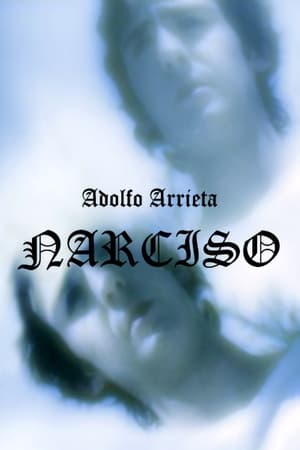
Eco y Narciso
2003
Merlín
1991
Delirios de amor: Kikí
1989
🎬 Director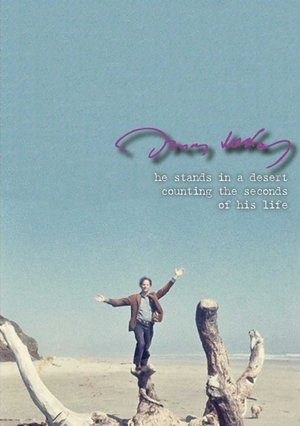
He Stands in a Desert Counting the Seconds of His Life
1986
Frogs
1983
Cinématon VI
1979
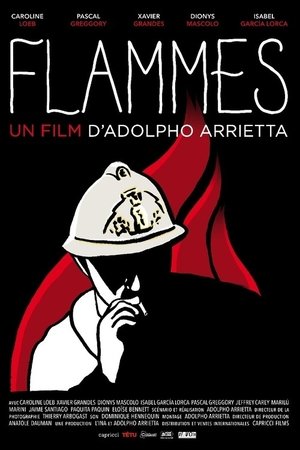
Flames
1978

Tam Tam
1976

The Adventures of Sylvia Couski
1975
Le Château de Pointilly
1972
Le Jouet criminel
1969
La mano de madera
1968
La imitación del ángel
1966
The Crime of the Spinning Top
1965
L'Anorak rouge
🎬 Director