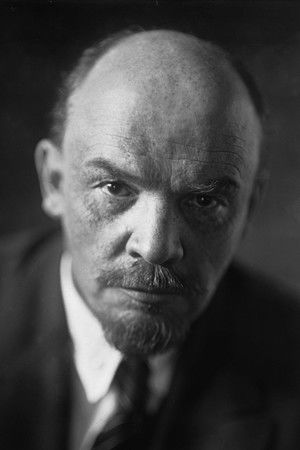
Vladimir Lenin
Born
21 April 1870 (155)
Place of Birth
Simbirsk
Also known as
Vladimir Ilyich Ulyanov, Lenin
Biography
Vladimir Ilyich Ulyanov (22 April 1870 – 21 January 1924), better known by his alias Lenin, was a Russian revolutionary, politician, and political theorist. He served as head of government of Soviet Russia from 1917 to 1922 and of the Soviet Union from 1922 to 1924. Under his administration, Russia and then the wider Soviet Union became a one-party communist state governed by the Russian Communist Party. A Marxist, he developed a variant of this communist ideology known as Leninism. Born to a m...
Vladimir Ilyich Ulyanov (22 April 1870 – 21 January 1924), better known by his alias Lenin, was a Russian revolutionary, politician, and political theorist. He served as head of government of Soviet Russia from 1917 to 1922 and of the Soviet Union from 1922 to 1924. Under his administration, Russia and then the wider Soviet Union became a one-party communist state governed by the Russian Communist Party. A Marxist, he developed a variant of this communist ideology known as Leninism. Born to a moderately prosperous middle-class family in Simbirsk, Lenin embraced revolutionary socialist politics following his brother's 1887 execution. Expelled from Kazan Imperial University for participating in protests against the Russian Empire's Tsarist government, he devoted the following years to a law degree. He moved to Saint Petersburg in 1893 and became a senior Marxist activist. In 1897, he was arrested for sedition and exiled to Shushenskoye for three years, where he married Nadezhda Krupskaya. After his exile, he moved to Western Europe, where he became a prominent theorist in the Marxist Russian Social Democratic Labour Party (RSDLP). In 1903, he took a key role in the RSDLP ideological split, leading the Bolshevik faction against Julius Martov's Mensheviks. Following Russia's failed Revolution of 1905, he campaigned for the First World War to be transformed into a Europe-wide proletarian revolution, which as a Marxist he believed would cause the overthrow of capitalism and its replacement with socialism. After the 1917 February Revolution ousted the Tsar and established a Provisional Government, he returned to Russia to play a leading role in the October Revolution in which the Bolsheviks overthrew the new regime. Lenin's Bolshevik government initially shared power with the Left Socialist Revolutionaries, elected soviets, and a multi-party Constituent Assembly, although by 1918 it had centralised power in the new Communist Party. Lenin's administration redistributed land among the peasantry and nationalised banks and large-scale industry. It withdrew from the First World War by signing a treaty conceding territory to the Central Powers, and promoted world revolution through the Communist International. Opponents were suppressed in the Red Terror, a violent campaign administered by the state security services; tens of thousands were killed or interned in concentration camps. His administration defeated right and left-wing anti-Bolshevik armies in the Russian Civil War from 1917 to 1922 and oversaw the Polish–Soviet War of 1919–1921. Responding to wartime devastation, famine, and popular uprisings, in 1921 Lenin encouraged economic growth through the market-oriented New Economic Policy. Several non-Russian nations had secured independence from the Russian Empire after 1917, but three were re-united into the new Soviet Union in 1922. His health failing, Lenin died in Gorki, with Joseph Stalin succeeding him as the pre-eminent figure in the Soviet government.
Filmography (40)
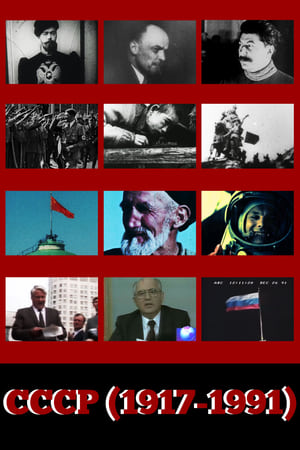
USSR (1917-1991)
2024
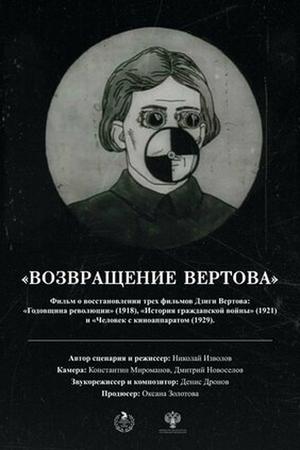
The Return of Vertov
2024

A Nation Denied: Ukraine's Battle for History
2024
Aurora's Sunrise
2023
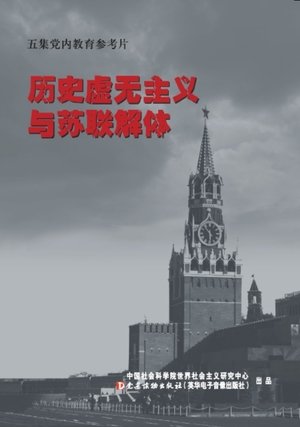
Historical Nihilism and the Fall of the USSR
2022
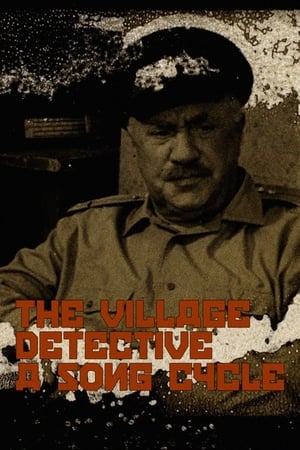
The Village Detective: A Song Cycle
2021
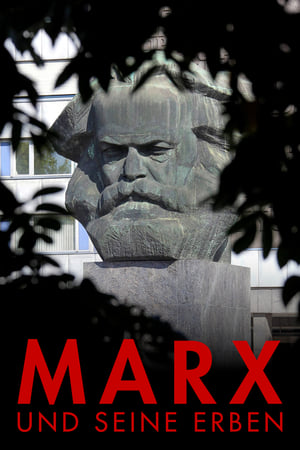
Karl Marx und seine Erben
2018
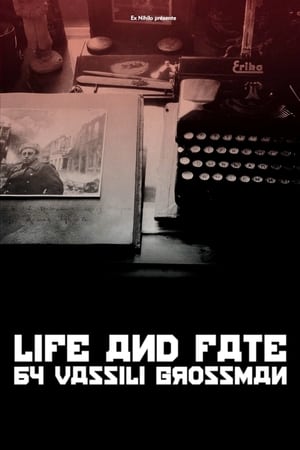
Life and Fate by Vassili Grossman
2018
Russia 1917: Countdown to Revolution
2017
The Russian Revolution
2017

How to Stage a Coup
2017
Lenin and the Other Story of the Russian Revolution
2017
Rasputin: Murder in the Tsar's Court
2016
The Chosen
2016
Laissez-faire
2015
JFK to 9/11: Everything is a Rich Man's Trick
2014
The Romanovs: Glory and Fall of the Czars
2013
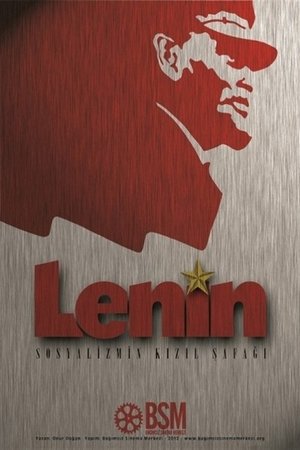
Lenin: Sosyalizmin Kızıl Şafağı
2012
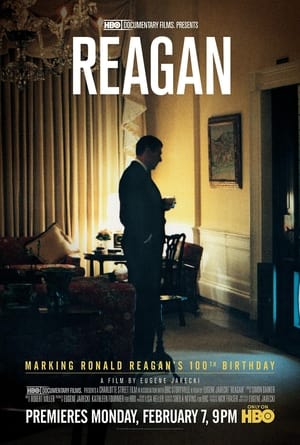
Reagan
2011
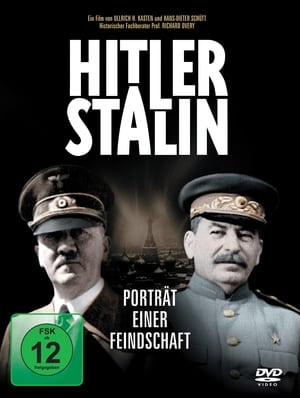
Hitler & Stalin: Portrait of Hostility
2009
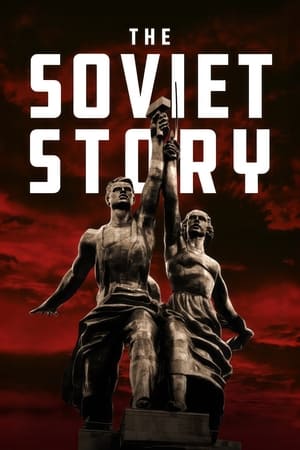
The Soviet Story
2008
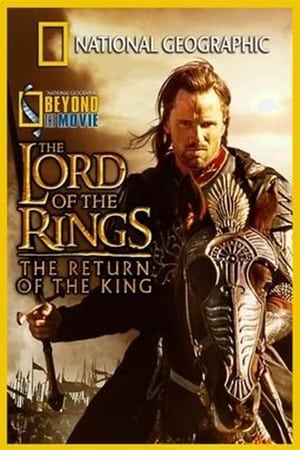
Beyond the Movie: The Return of the King
2003
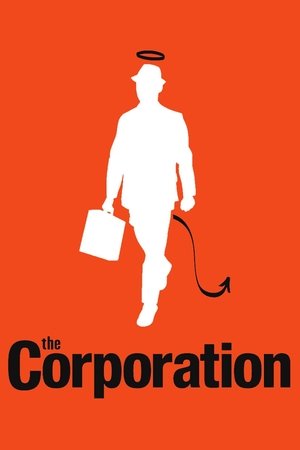
The Corporation
2003
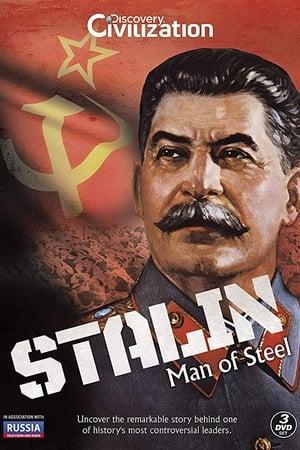
Stalin: Man of Steel
2003

Naqoyqatsi
2002
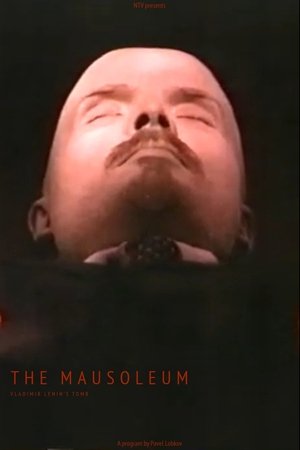
The Mausoleum
1999
Human Remains
1998
Soviet Union: The Rise and Fall - Part 1
1996
Theremin: An Electronic Odyssey
1995
Latest News About Doomsday
1991
Bukharin and the Terror
1988

The Man Mayakovsky
1980
Cinema in Russia
1979
When the Century Took Shape (War and Revolution)
1978
The Soviet Union: A New Look
1978
A Grin Without a Cat
1977
Caudillo
1977
The Society of the Spectacle
1974
1917 - Jahr der Entscheidung
1973
Beginning
1967