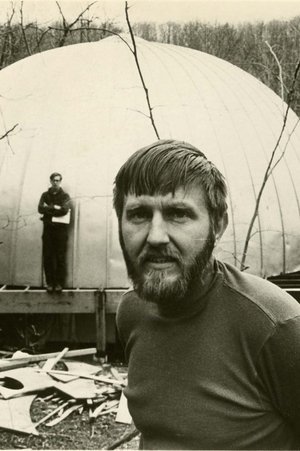
Stan VanDerBeek
Born
6 January 1927 (99)
Place of Birth
New York, New York
Biography
American experimental filmmaker Stan Vanderbeek began his career in the 1950’s after having studied art and architecture in New York and North Carolina. His earliest period (1955-1965) is marked by his animated painting and collage films which the artist and critic Daryl Chin regarded as having an “enormous vitality, bounding inventiveness and incendiary wit which was shared by such other collagists as Robert Breer, Bruce Conner, Dick Preston.” Films such as Science Friction (1959, 10’), Breath...
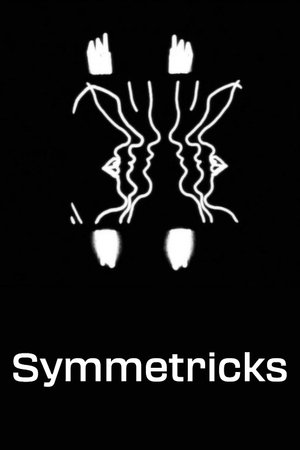
American experimental filmmaker Stan Vanderbeek began his career in the 1950’s after having studied art and architecture in New York and North Carolina. His earliest period (1955-1965) is marked by his animated painting and collage films which the artist and critic Daryl Chin regarded as having an “enormous vitality, bounding inventiveness and incendiary wit which was shared by such other collagists as Robert Breer, Bruce Conner, Dick Preston.” Films such as Science Friction (1959, 10’), Breathdeath (1963, 15’), A la Mode (1959, 7’) and Achoo Mr. Kerrooschev (1960, 2’) are from this period. In the 1960’s, in the context of his expanded cinema research, Vanderbeek started his audacious project of the “Movie Drome” theater, a space that allowed him to create an appropriate environment for his synesthetic works, which included film, performance and dance among other disciplines. The filmmaker spent about 10 years developing this project, which consisted of a huge dome that surrounded the audience and engulfed them in the images projected all around them. From the mid-1960’s, Vanderbeek ‘s appetite for exploring new technologies increased and tools such as video played a major part in the filmmaker’s work. This can be seen in his computer-animated films from this period such as Symmetricks (1972, 6’) and the Poemfield series of 8 computer generated animations (1966-1971). His work with computers and experiments with holograms reflected his desire to use the most complex technology to get as close as possible to the functioning of the human nervous system. In addition to his creative work in the fields of film and video art, Vanderbeek was a faculty member and artist-in-residence at a number of major universities. He died in 1984.
Filmography (40)
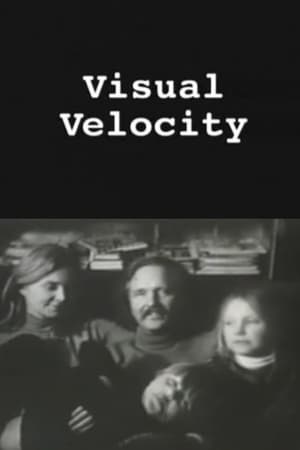
Visual Velocity: The Work of Stan VanDerBeek
2000
Home Movies 1971-81
1985
Reeling in TV Time
1983
🎬 Director
Micro Cosmos 1-4
1983
🎬 Director
Sonia and Stan Paint a Portrait of Ronnie
1983
🎬 Director
Self-Poured Traits
1983
🎬 Director
Face Concert
1981
🎬 Director
After Laughter
1981
🎬 Director
Euclidean Illusions
1980
🎬 Director
Mirrored Reason
1980
🎬 Director
Color Fields Left
1977
🎬 Director
Vanishing Point Left
1977
🎬 Director
Strobe Ode
1977
🎬 Director
Notes on the Buffalo Conference: “Autobiography in American Independent Cinema”
1973
Symmetricks
1972
🎬 Director
Reality's Invisible
1972

Who Ho Rays No. 1
1972
🎬 Director
The Computer Generation
1972
🎬 DirectorVideospace
1970
🎬 Director
Moirage
1970
🎬 Director
Filmmakers
1969
Oh
1968
🎬 Director
Ad Infinitum
1968
🎬 Director
Poem Field No. 5: Free Fall
1968
🎬 Director
Superimposition
1968
🎬 Director
Film Form No. 1
1968
🎬 DirectorPoemfield No. 1 (Blue Version)
1967
🎬 Director
Poem Field No. 1
1967
🎬 DirectorPanels for the Walls of the World
1967
🎬 Director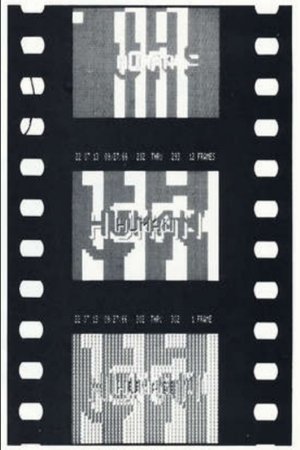
Poem Field Series
1967
🎬 Director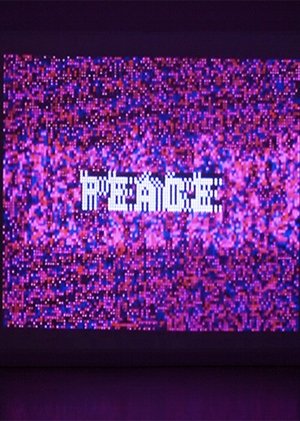
Poem Field No. 7
1967
🎬 Director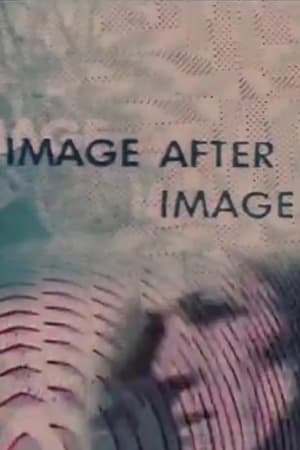
Image After Image
1967
🎬 Director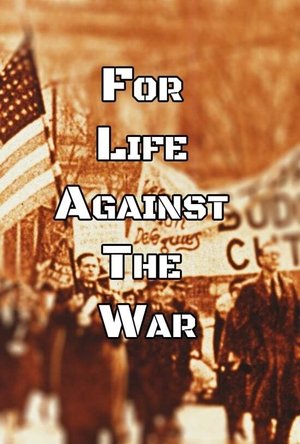
For Life, Against the War
1967
Man and His World
1967
🎬 Director
Expo Faces
1967
🎬 Director
Poem Field No. 3
1967
🎬 Director
Spherical Space No. 1
1967
🎬 DirectorCollide: Oscope
1966
🎬 DirectorPoem Field No. 2
1966
Vision III
1966
🎬 Director